The Ultimate Guide to Autism Haircuts: Creating a Comfortable Experience


Understanding the Unique Challenges
For many individuals with autism, haircuts can be a daunting experience due to sensory sensitivities and anxiety. The sound of clippers, the feeling of hair falling, or even the bright lights of a salon can be overwhelming. Understanding these challenges is the first step in creating a comfortable experience.

Parents and caregivers often face difficulties in finding salons that cater to the needs of autistic individuals. It's crucial to identify these sensory triggers and work closely with stylists who are patient and understanding.
Choosing the Right Salon
Finding a salon that understands and accommodates sensory sensitivities is essential. Look for places with experience in serving clients with autism. Many salons now offer quieter environments or even dedicated times for sensitive clients.
- Research salons that advertise autism-friendly services.
- Read reviews from other parents or caregivers.
- Visit the salon beforehand to assess the environment.
Creating familiarity with the salon environment before the actual haircut can help ease anxiety. A pre-visit allows the individual to explore the space, meet the stylist, and become comfortable with the setting.
Preparing for the Haircut
Preparation is key to a successful haircut experience. Discuss the process with the individual beforehand, and use visual aids or social stories to explain what to expect. This can help reduce fear and anxiety.

Some families find success by practicing haircuts at home using play scissors or by role-playing the experience. This can desensitize the individual to the sensation and routine of a haircut.
Creating a Sensory-Friendly Experience
During the haircut, it's important to create a sensory-friendly environment. Consider bringing noise-canceling headphones, favorite toys, or comfort items to help soothe and distract. Communicate clearly with the stylist about any specific needs or triggers.
- Allow breaks if needed to prevent overstimulation.
- Use calming techniques such as deep breathing or gentle music.
- Encourage the individual to express discomfort or needs.
Building a Relationship with the Stylist
Building a trusting relationship with the stylist can make future haircuts more manageable. Choose a stylist who is patient and willing to learn about the individual's specific needs. Consistency with the same stylist can also build comfort and routine.
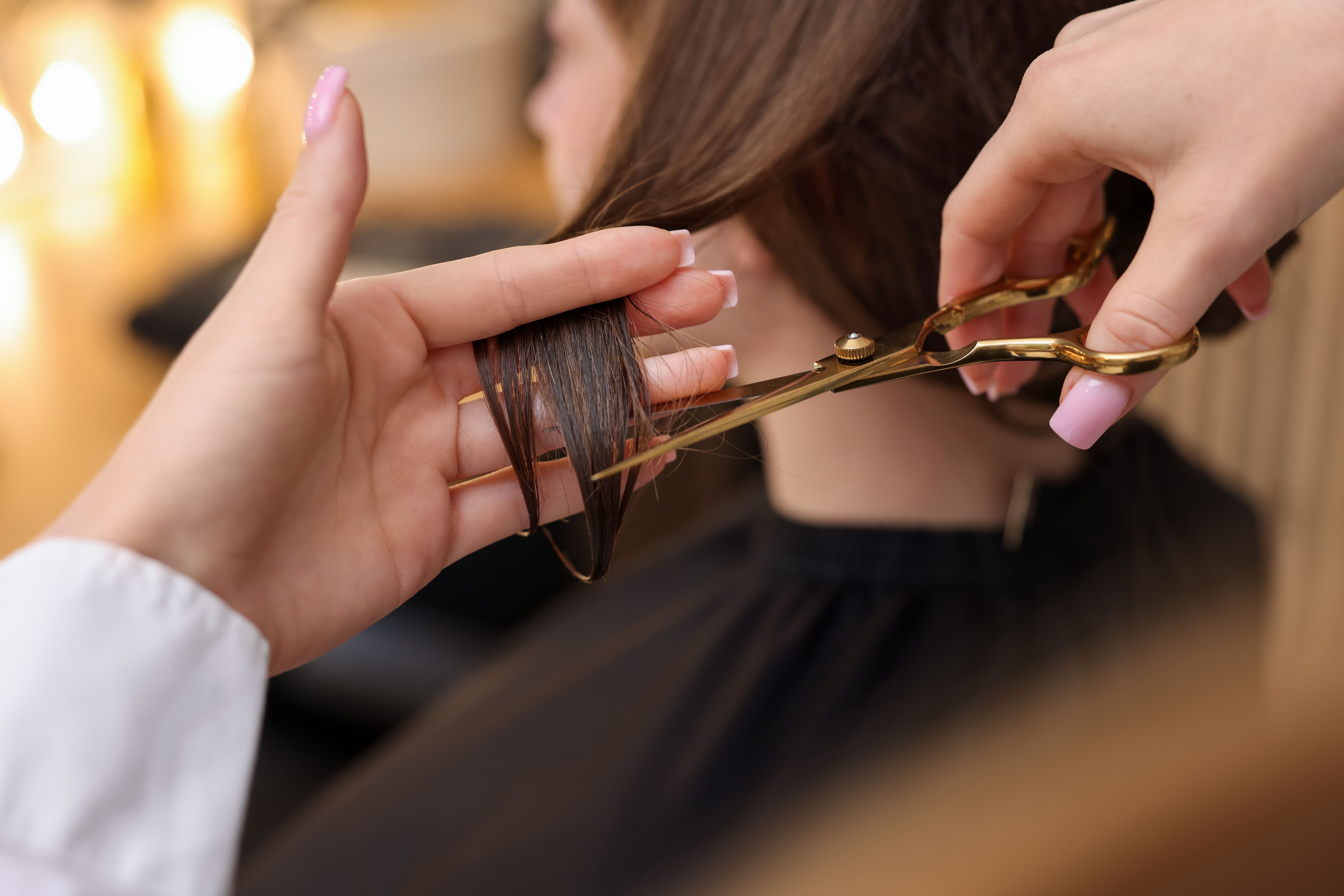
Regular communication with the stylist about what works and what doesn't can lead to a more personalized and pleasant experience. Celebrate small victories and progress, reinforcing positive associations with haircuts.
Conclusion
Creating a comfortable haircut experience for individuals with autism requires understanding, preparation, and patience. By choosing the right salon, preparing adequately, and fostering a sensory-friendly environment, haircuts can become less stressful and more enjoyable. Remember, each individual is unique, and what works for one may not work for another. Tailor the experience to meet the specific needs and preferences of the person, ensuring a positive and empowering experience.