Seasonal Hair Care Tips for Adults with Sensory Sensitivities


Understanding Sensory Sensitivities
For adults with sensory sensitivities, maintaining a hair care routine can be challenging. Sensory sensitivities often cause discomfort or overwhelm from textures, temperatures, and scents. This makes choosing the right hair care products and techniques crucial for comfort and well-being.

Choosing the Right Products
When selecting hair care products, it’s essential to consider texture and scent. Look for products labeled as hypoallergenic and fragrance-free. These options are generally designed to be gentle on the scalp and minimize irritation.
Additionally, opt for lightweight formulas. Heavy creams and gels can feel overwhelming, so lighter products can help reduce discomfort. Consider natural ingredients, as they often provide a soothing alternative to harsh chemicals.
Addressing Seasonal Changes
Each season presents unique challenges for hair care, particularly for those with sensory sensitivities. In the winter, dry air can lead to static and dryness, while summer humidity might cause frizz.

Winter Hair Care Tips
During colder months, it’s important to maintain moisture. Use a gentle, sulfate-free shampoo to avoid stripping natural oils. Follow with a hydrating conditioner to lock in moisture. Using a silk or satin pillowcase can also reduce friction and static, making hair more manageable.
- Use lukewarm water to avoid shocking the scalp.
- Incorporate a weekly deep conditioning treatment.
Summer Hair Care Tips
Summer’s heat and humidity can be equally challenging. A leave-in conditioner can help manage frizz and provide protection. Consider wearing a wide-brimmed hat to shield your hair from sun exposure, which can cause dryness and irritation.
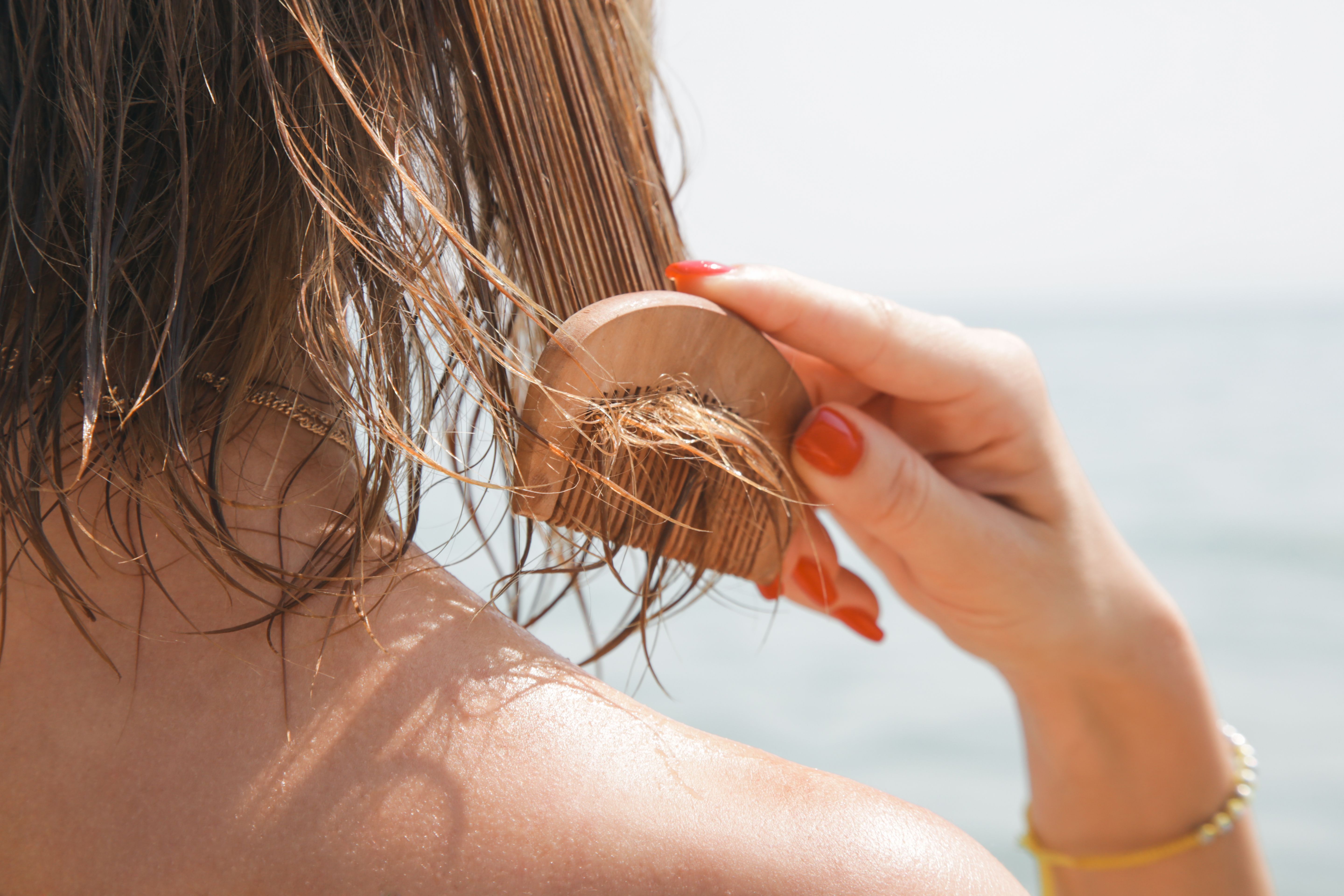
Washing your hair with cool water can soothe the scalp and reduce sensory overload. Additionally, try air drying your hair to avoid heat from blow dryers, which can be irritating.
Managing Sensory Overload
To manage sensory overload, create a calming routine. Incorporate soothing elements, such as gentle scalp massages or using a soft-bristled brush. These practices not only help with detangling but also provide a relaxing experience.
Consider setting up a quiet, comfortable space for hair care. Reducing noise and distractions can make the process more enjoyable and less overwhelming.
Consulting Professionals
If you’re struggling to find a routine that works, consider consulting with a dermatologist or hairstylist experienced with sensory sensitivities. They can offer personalized advice and recommend products tailored to your needs.

Remember, the goal is to create a routine that feels comfortable and manageable. With the right approach, you can enjoy healthy, beautiful hair all year round.