Preparing Your Home for a Sensory-Friendly Haircut Experience


Creating a sensory-friendly environment for a haircut at home can make a significant difference for individuals who may have sensory sensitivities. By taking a few simple steps, you can transform a potentially overwhelming experience into a more comfortable and enjoyable one.
Understanding Sensory Sensitivities
Sensory sensitivities vary from person to person and can include aversions to certain sounds, lights, or textures. When preparing for a haircut, it’s crucial to consider what specific triggers might affect the individual. Understanding these sensitivities will guide you in creating the right environment.
For some, the sound of scissors or clippers can be distressing. Others might find the feeling of hair on their skin uncomfortable. Identifying these issues ahead of time is key to minimizing discomfort.

Creating a Comfortable Space
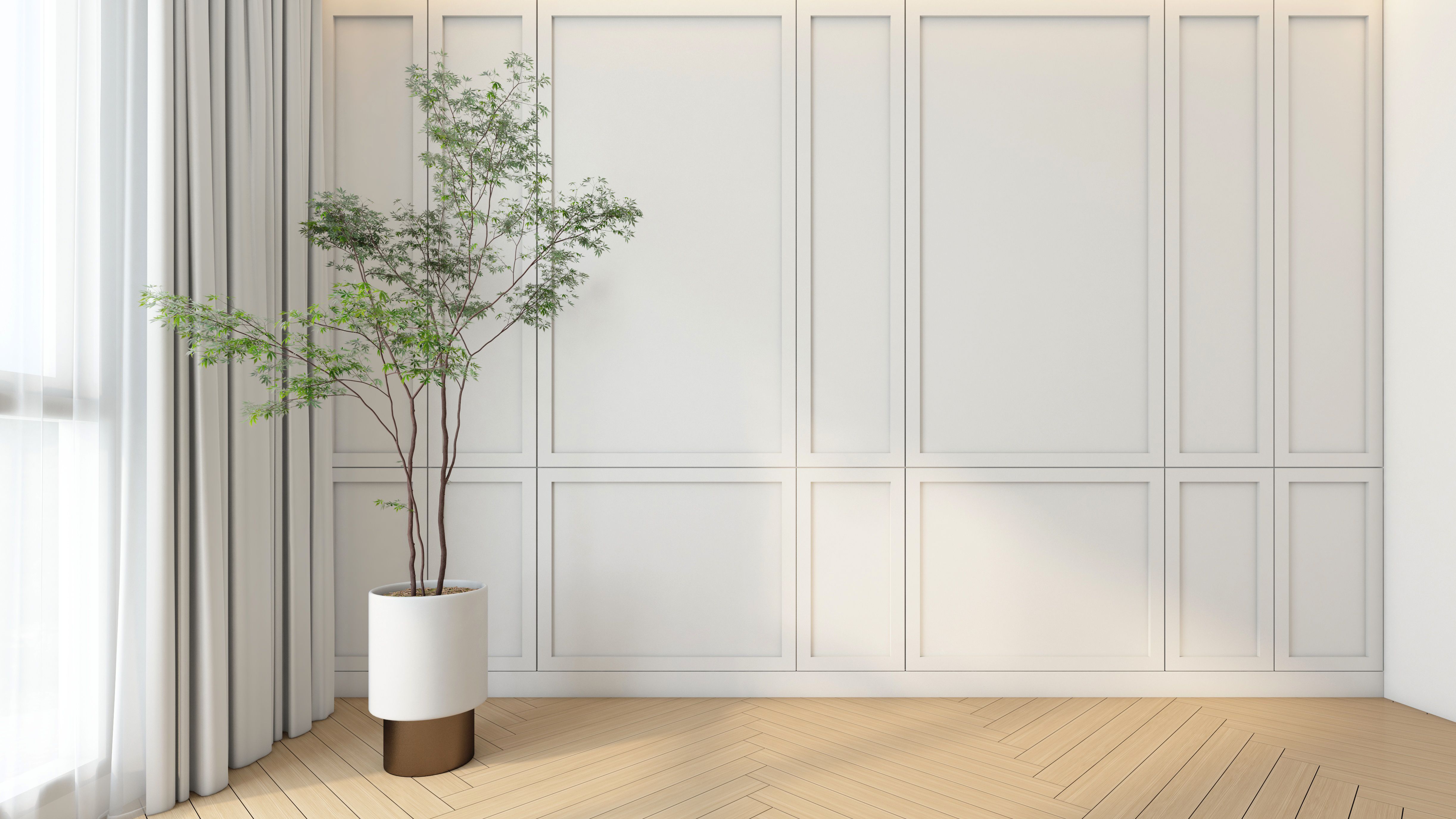
Setting up a comfortable and calming space is essential for a sensory-friendly haircut. Choose a room with soft lighting and minimal noise. You might consider using blackout curtains or dimmable lights to control the brightness.
Ensure that the temperature is comfortable and that the space is free from distractions. A quiet environment can help reduce anxiety and create a more soothing experience.
Gathering the Right Tools
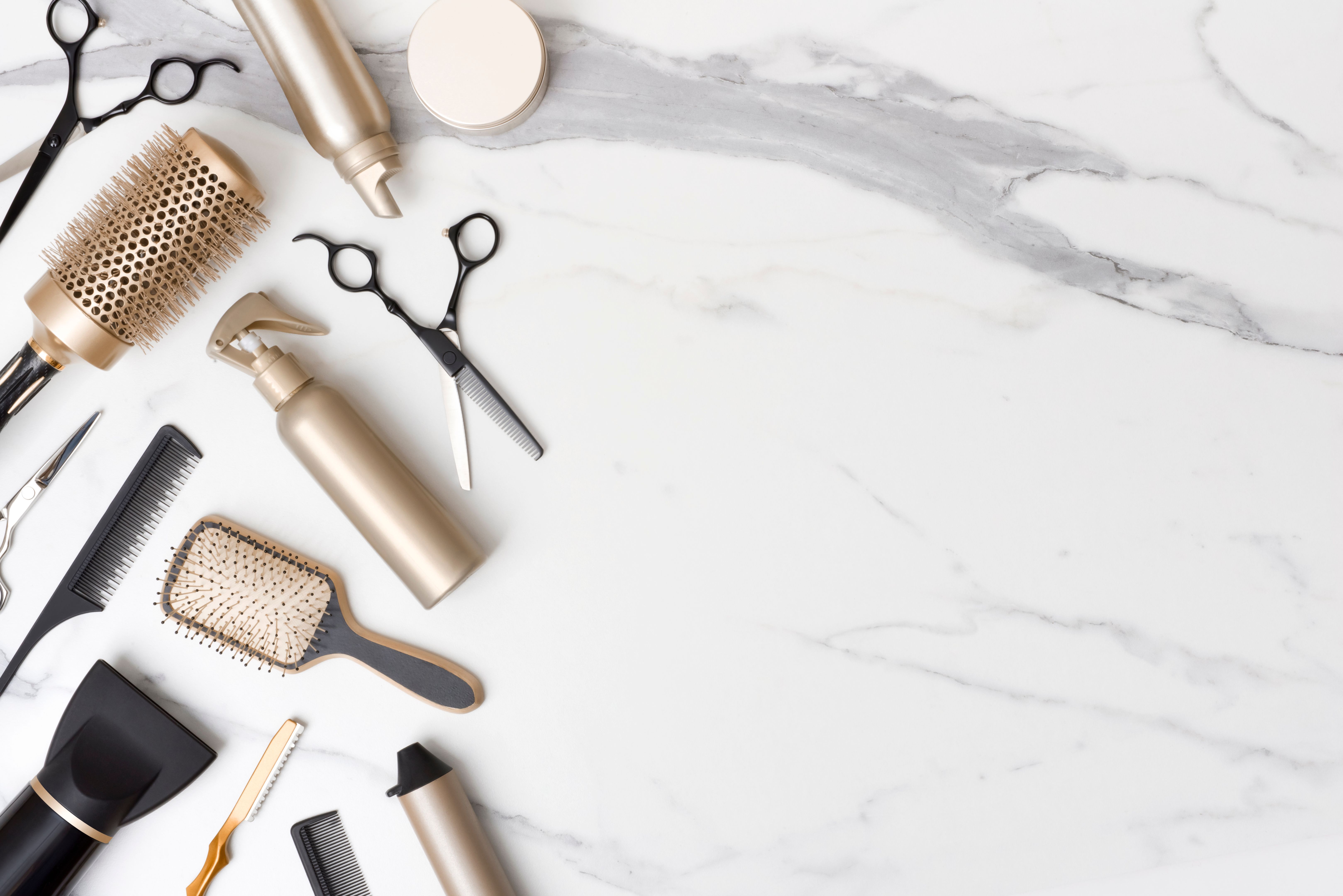
Having the appropriate tools on hand can make a big difference. Consider using quieter electric clippers or scissors. You might also want to have a variety of capes or towels with different textures to find one that feels comfortable.
Some individuals may benefit from wearing noise-canceling headphones or listening to calming music during the haircut. This can help mask any unsettling noises.
Preparing the Individual
Before starting the haircut, take some time to explain the process. Let the individual know what to expect and offer reassurance. If possible, involve them in the decision-making process, such as choosing the hairstyle or the tools being used.
Offering a favorite toy or comfort item can provide additional reassurance and help keep their hands occupied during the haircut.
Taking Breaks When Needed
Be prepared to take breaks if the individual becomes overwhelmed. Allowing time to pause and regroup can make the experience much more manageable. Encourage deep breathing or offer a sip of water to help them relax.
Remember, patience is key. The goal is to ensure the individual feels safe and comfortable throughout the process.
Post-Haircut Care
After the haircut, it’s important to provide positive reinforcement and praise. Celebrate the accomplishment and offer a reward or treat if appropriate. This can help associate the experience with positive feelings.
Take note of what worked well and what didn’t, so you can improve the process for next time. Every haircut is a learning opportunity to better understand and accommodate sensory needs.
By thoughtfully preparing your home and approach, you can create a sensory-friendly haircut experience that is both comforting and successful.