Choosing the Right Salon: Catering to Autism and Special Needs


Understanding the Importance of Inclusive Salons
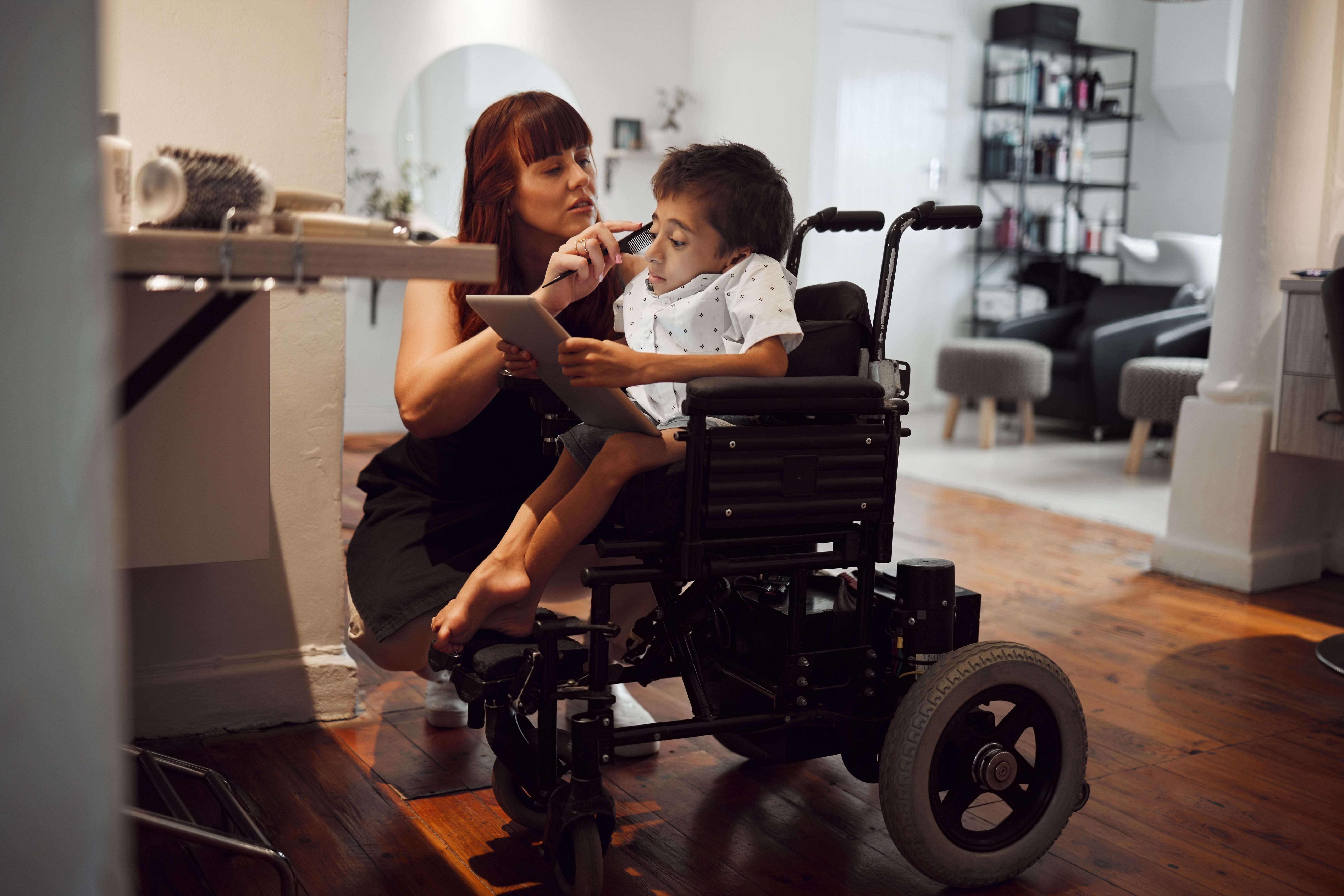
Choosing the right salon is crucial for everyone, but it becomes even more significant when catering to individuals with autism and special needs. These clients often require a more tailored approach, ensuring their comfort and safety while receiving services. By understanding their unique needs, salons can create an environment that is both welcoming and supportive.
It is essential for salon staff to be trained in sensory issues and communication techniques that cater specifically to these clients. This not only enhances the overall experience but also builds trust and a long-term relationship with clients and their families.
Creating a Sensory-Friendly Environment
A sensory-friendly environment is key to making clients with autism and special needs feel at ease. This involves reducing overwhelming stimuli such as loud noises, strong smells, and bright lights. Salons can achieve this by offering noise-canceling headphones, using unscented products, and having adjustable lighting options.
Additionally, having a quiet area where clients can relax before or after their appointment can make a significant difference. This space can help them decompress and feel more comfortable during their visit.
Training and Education for Staff
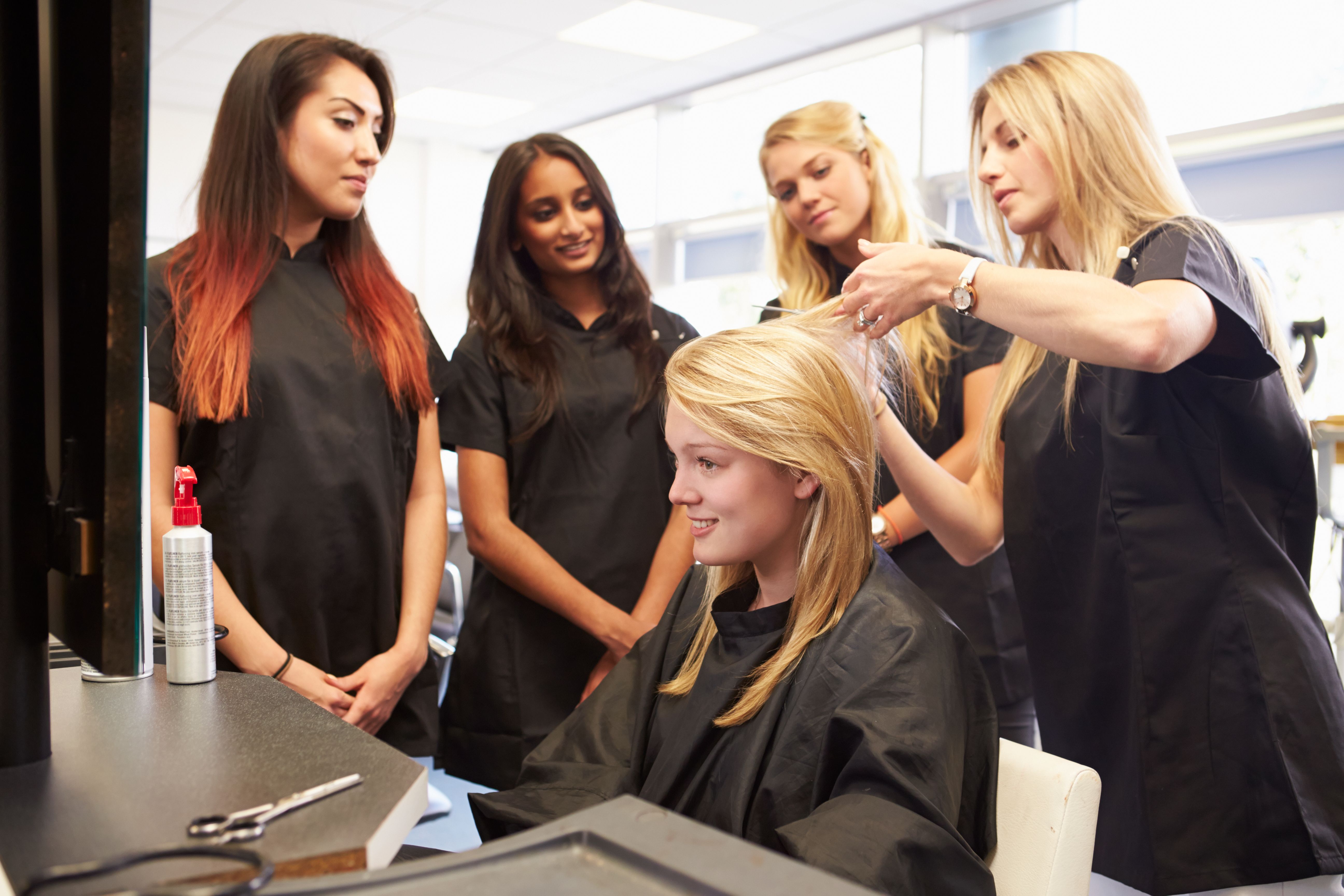
Providing proper training for staff is another crucial aspect of catering to clients with special needs. This training should encompass understanding autism spectrum disorders, effective communication strategies, and recognizing signs of distress. Empathy and patience are vital traits for staff members working with these clients.
Communication and Personalization
Effective communication is at the heart of providing excellent service to clients with autism and special needs. Staff should be trained to use clear, simple language and visual aids when necessary. It is also beneficial to allow extra time for appointments, ensuring that clients do not feel rushed.
Personalization is equally important. By getting to know the client's preferences and triggers, salons can tailor their services to provide a more enjoyable and stress-free experience. Keeping detailed notes on client preferences can help in future visits.
Engaging with the Community
Engaging with local autism and special needs communities can help salons better understand how to serve these clients effectively. This engagement can also promote the salon as a supportive and inclusive space. Hosting special events or workshops can bridge gaps and foster relationships within the community.

Feedback and Continuous Improvement
Finally, collecting feedback from clients and their families is essential for continuous improvement. Salons should encourage open communication and be willing to make adjustments based on the feedback received. This proactive approach displays a commitment to inclusivity and excellence in service.
By implementing these strategies, salons can not only enhance the experience for clients with autism and special needs but also set themselves apart as leaders in inclusive service. This commitment to inclusivity benefits the clients, their families, and the community at large.