Why Mobile Hairstyling is Ideal for Sensory-Sensitive Individuals


For individuals who experience sensory sensitivities, traditional salon visits can be overwhelming. The noise, strong smells, and bustling environment can turn what should be a relaxing experience into a stressful one. This is where mobile hairstyling services come to the rescue, offering a personalized and comfortable alternative.

Understanding Sensory Sensitivity
Sensory sensitivity refers to an increased sensitivity to sensory input such as sound, light, or touch. This can be common among individuals with autism, ADHD, or sensory processing disorders. For these individuals, everyday environments can sometimes feel overwhelming.
Traditional salons often have multiple stimuli occurring simultaneously, which can be distressing. The sound of hairdryers, the smell of hair products, and the presence of other customers can contribute to sensory overload.
The Benefits of Mobile Hairstyling
Mobile hairstyling offers a solution by bringing the salon experience to the comfort of one's home. This service allows individuals to control their environment, minimizing sensory triggers and creating a more soothing experience.

Personalized Environment
One of the primary benefits of mobile hairstyling is the ability to personalize the environment. Clients can choose a quiet room, control the lighting, and even select calming music to play in the background. This level of customization can significantly reduce anxiety and make the experience more enjoyable.
Flexible Scheduling
Mobile hairstyling services often offer more flexible scheduling options, allowing clients to choose a time that suits them best. This flexibility can be particularly beneficial for those who have fluctuating routines or need to schedule appointments during quieter times of the day.
Building a Trusting Relationship
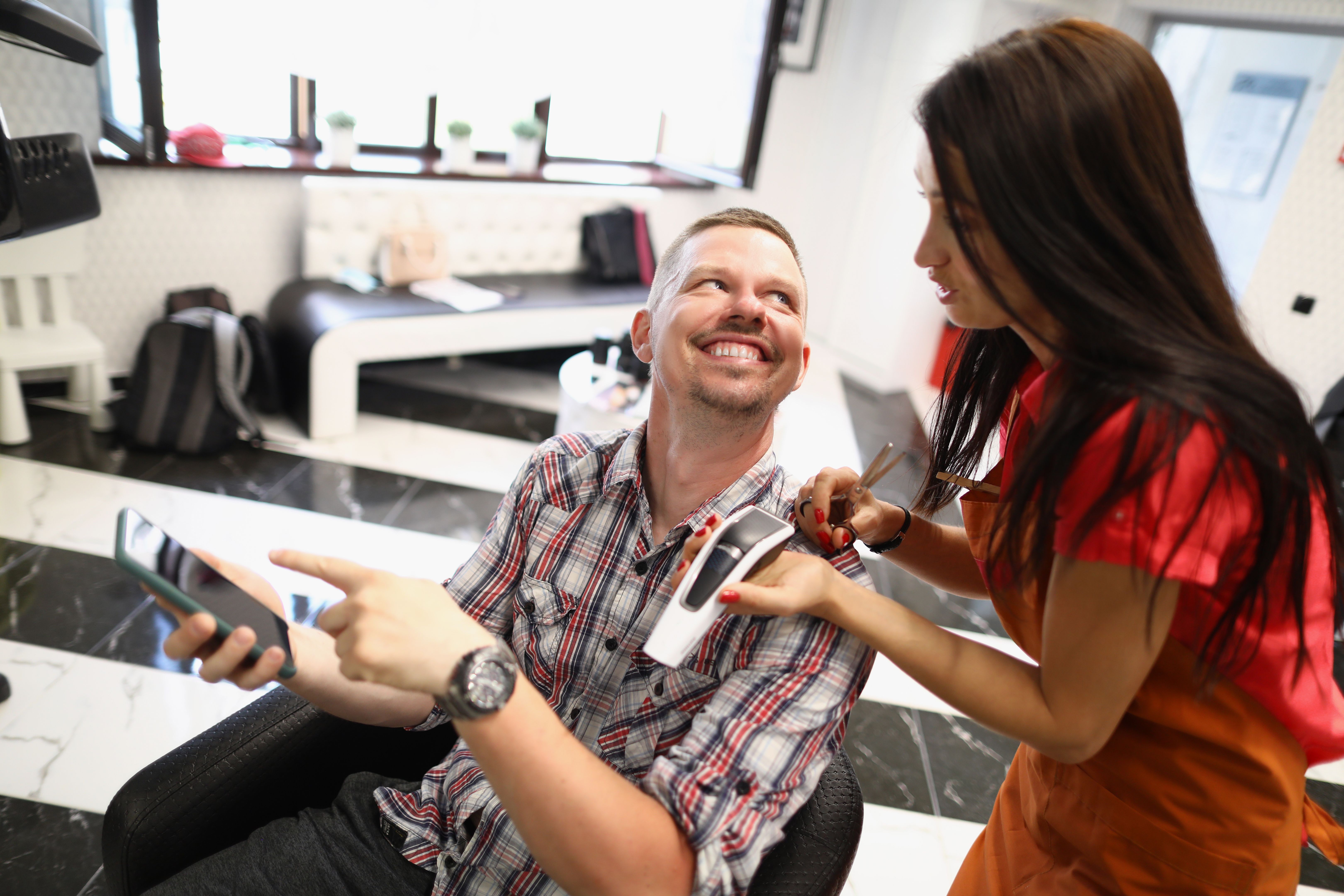
Having a consistent hairstylist who understands sensory needs can build trust and comfort. Mobile stylists often work one-on-one, fostering a connection with their clients and providing a reliable, familiar face during each appointment.
This relationship can be invaluable in ensuring that the client feels heard and respected, leading to a more positive and stress-free experience.
Conclusion
Mobile hairstyling presents a thoughtful and accommodating option for sensory-sensitive individuals. By providing a calm, controlled environment and personalized service, it transforms haircare into a positive and accessible experience. For those seeking a more comfortable alternative to traditional salons, mobile hairstyling is an ideal solution.