Top Tips for Maintaining Hair Health in Special Needs Adults


Understanding Hair Needs
Maintaining hair health in special needs adults requires understanding their unique requirements. Hair care isn't just about aesthetics; it's about promoting comfort, hygiene, and self-esteem. Tailoring a routine to individual needs can significantly improve their quality of life.
Factors such as mobility issues, sensory sensitivities, and medical conditions can influence hair care routines. It's essential to consider these aspects when developing a plan. Consult healthcare professionals for personalized advice, ensuring that the approach is suitable for the individual's specific needs.
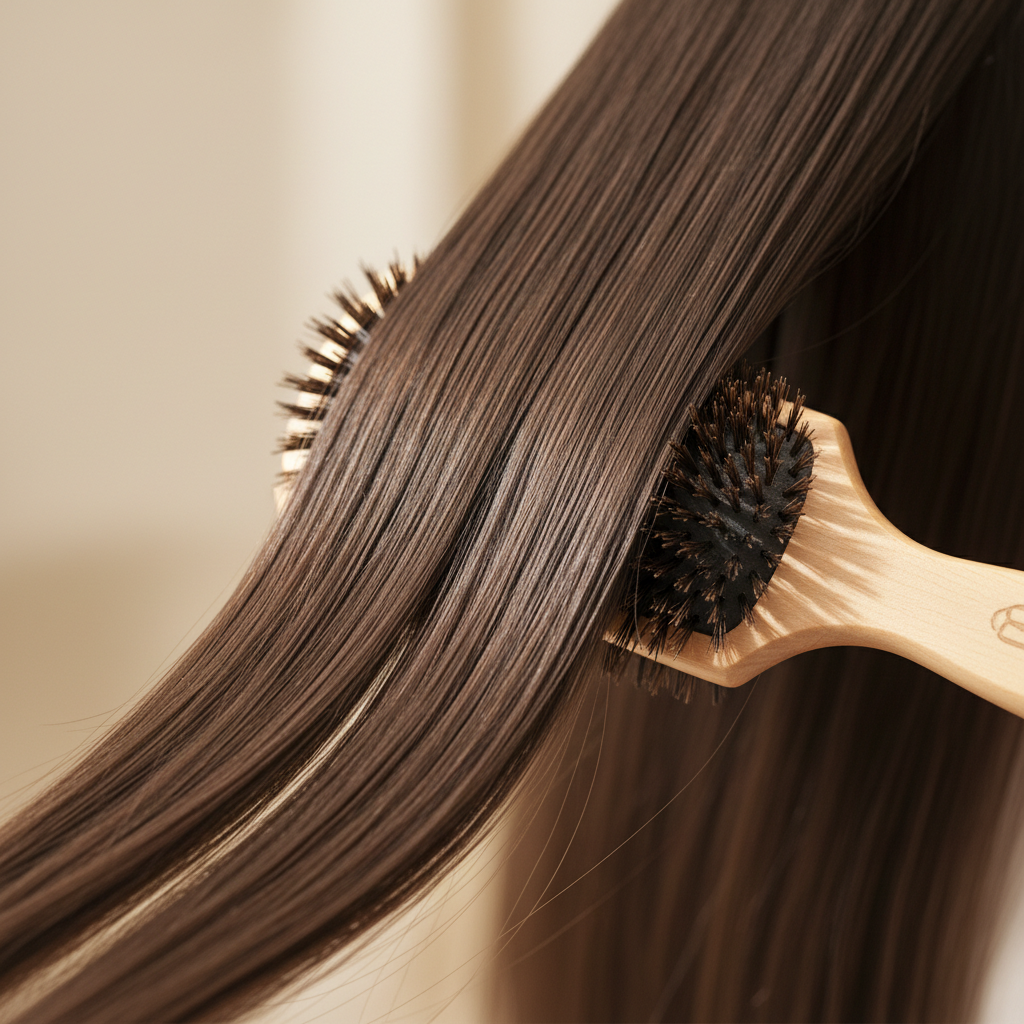
Choosing the Right Products
Using the right hair care products is crucial. Opt for gentle, hypoallergenic shampoos and conditioners that are free from harsh chemicals. Fragrance-free options are often better for those with sensory sensitivities. Always patch-test new products to prevent allergic reactions or irritations.
Consider leave-in conditioners or detangling sprays to simplify the process, especially for individuals with fine or easily tangled hair. These products can make combing easier and more comfortable, reducing the risk of hair damage.
Tools for Easy Maintenance
Investing in the right tools can make a significant difference. Wide-tooth combs and soft-bristle brushes are gentle on the scalp and can help minimize discomfort. Additionally, using a shower chair or detachable showerhead can assist those with mobility challenges during hair washing.
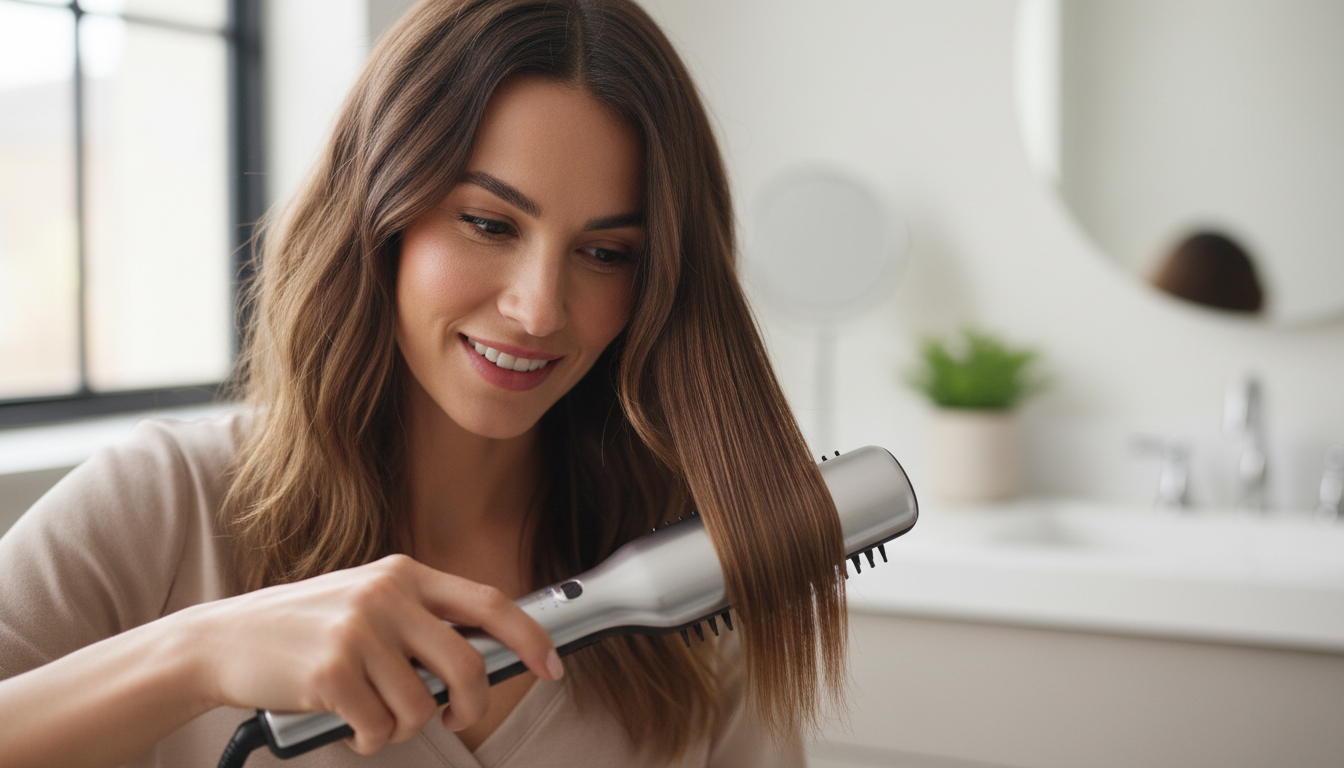
Establishing a Routine
Consistency is key when it comes to hair care. Establish a regular schedule that fits the individual's lifestyle and preferences. Whether it's daily, weekly, or bi-weekly, maintaining a routine can make hair care more predictable and manageable.
Involve the individual in the process as much as possible. Encouraging participation can foster independence and confidence, turning hair care into a positive experience.
Addressing Common Challenges
Many special needs adults face challenges such as dandruff or dry scalp. Regular scalp massages can help stimulate circulation and promote healthy hair growth. For dandruff, medicated shampoos may be necessary, but it's important to consult a healthcare professional before use.
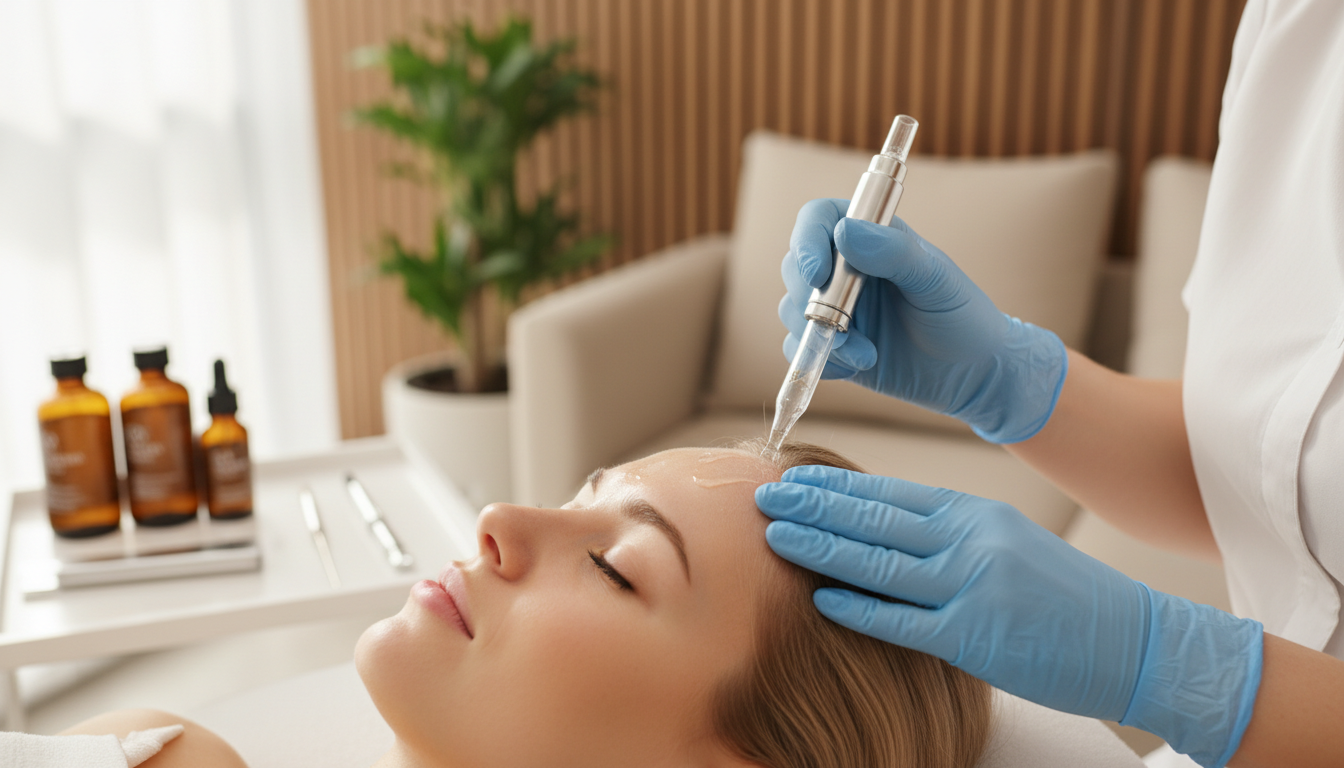
Healthy Diet and Hydration
A balanced diet plays a crucial role in hair health. Encourage the consumption of foods rich in vitamins and minerals such as biotin, zinc, and omega-3 fatty acids. Staying hydrated is equally important, as it helps maintain overall health and well-being.
Supplements can be considered if dietary intake is insufficient, but always seek advice from a healthcare provider to ensure they are appropriate and safe.
Seeking Professional Assistance
Regular visits to a professional hairstylist can be beneficial. They can offer guidance on suitable hairstyles that are easy to maintain and recommend products tailored to individual needs. Professional styling can also provide a sense of normalcy and routine.
Finally, always remain patient and adaptable. Hair care needs may change over time, and being responsive to these changes can help maintain hair health and overall well-being.