The Ultimate Guide to Sensory-Friendly Haircuts for Special Needs Clients


Understanding Sensory Sensitivities
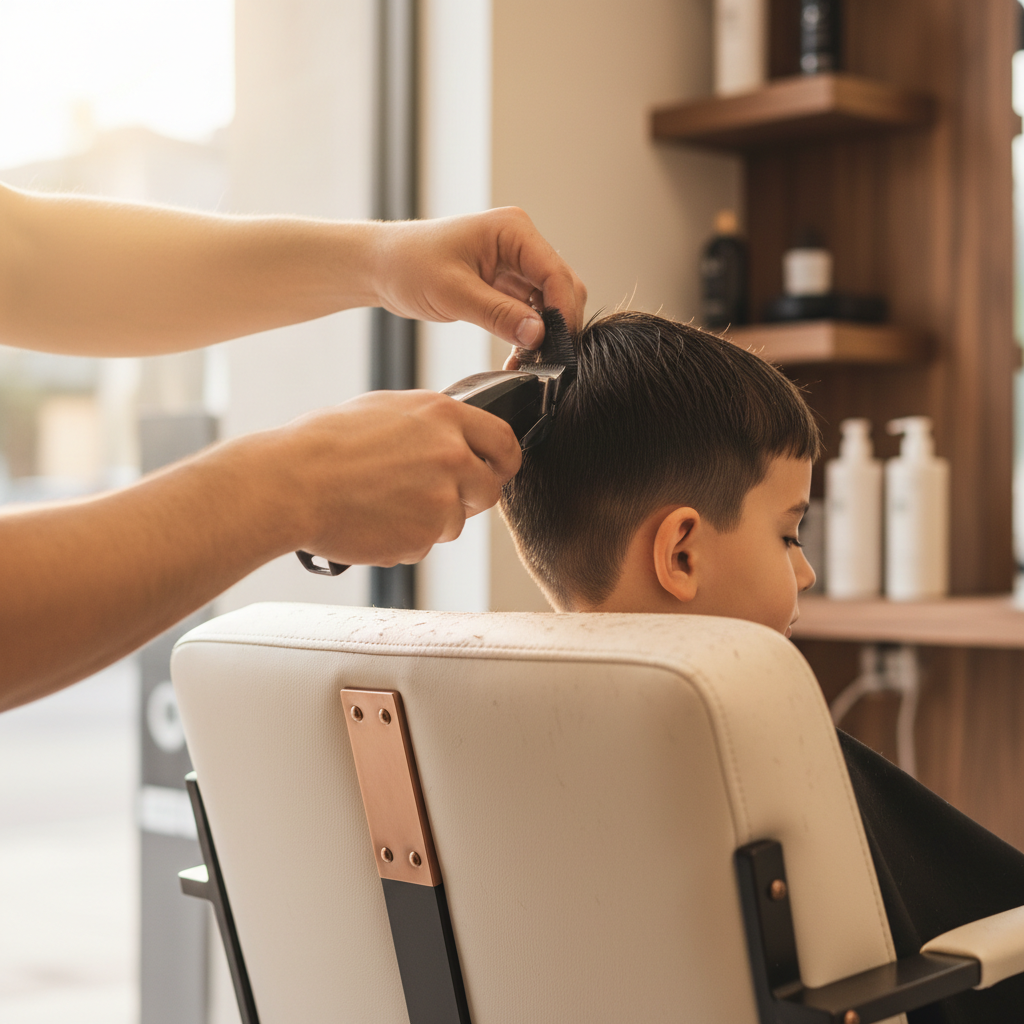
For individuals with special needs, particularly those on the autism spectrum, sensory sensitivities can make a simple haircut a daunting experience. Bright lights, loud noises, and the sensation of hair falling on the skin can be overwhelming. By understanding these sensitivities, we can create a more comfortable environment for these clients.
Recognizing the specific triggers is crucial. Some individuals may be sensitive to the sound of clippers, while others might find the touch of scissors alarming. Tailoring the experience to meet each person’s unique needs is essential.
Creating a Sensory-Friendly Environment
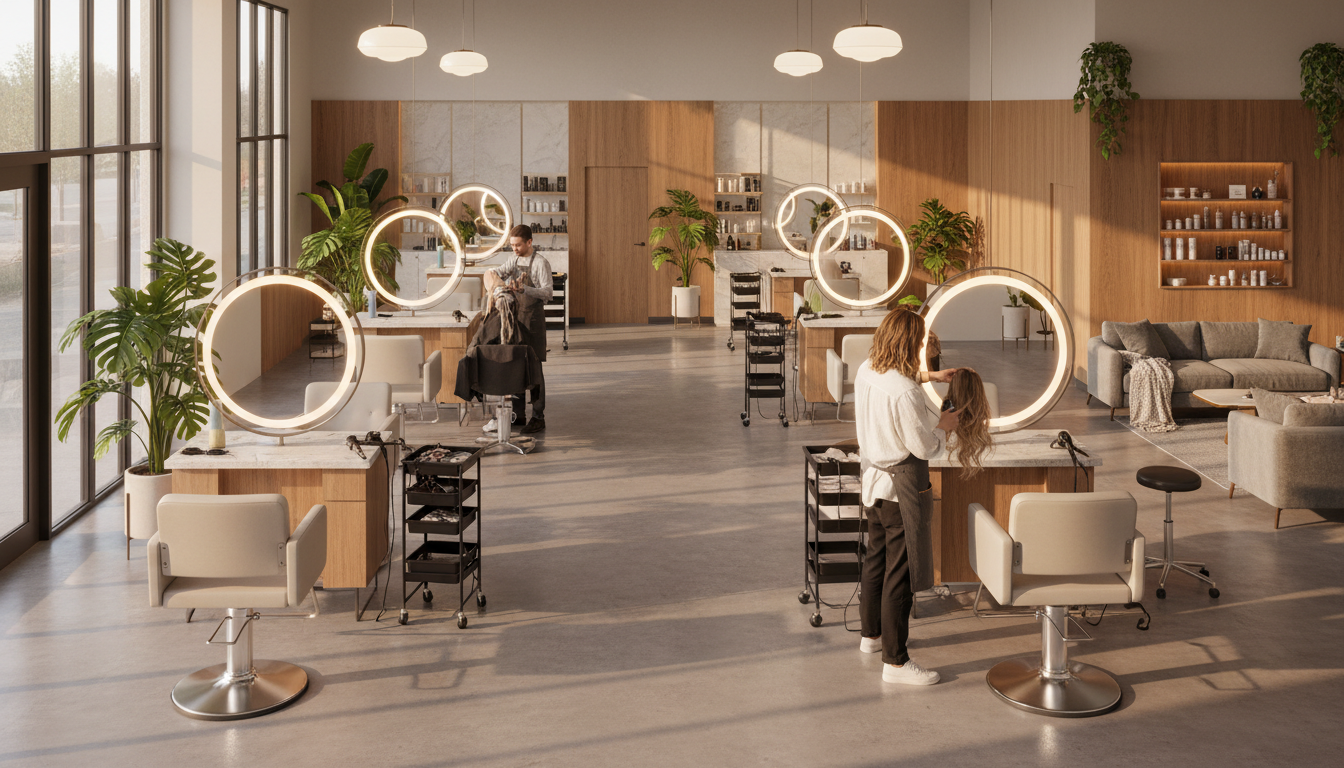
Designing a sensory-friendly salon environment begins with reducing stimuli. Soft lighting, calming colors, and minimal noise can make a significant difference. Consider using noise-canceling headphones or playing gentle music to create a soothing atmosphere.
Providing a quiet waiting area is also beneficial. This space should be equipped with calming activities or sensory toys to help clients relax before their appointment. Offering flexible scheduling options during quieter hours can further enhance the experience.
Training and Communication
Staff training is vital in delivering sensory-friendly haircuts. Educate your team on the importance of patience, empathy, and clear communication. Understanding how to approach and interact with clients with special needs can make the experience more pleasant for everyone involved.
Effective communication involves explaining each step of the process in simple terms and offering choices whenever possible. Allowing the client to touch the tools or even watch a demonstration can ease anxiety.
Adapting Haircut Techniques
Adapting your haircut techniques can greatly improve the experience. Here are some tips:
- Use silent clippers or scissors to reduce noise.
- Keep hair off the skin as much as possible by using a soft cape.
- Offer breaks if the client seems overwhelmed.
Engaging with Parents and Caregivers
Parents and caregivers are invaluable resources for understanding a client’s needs. Engage them in the process by asking about specific triggers and preferences. Their insights can guide you in providing a more tailored and successful haircut experience.
Encourage open communication and ask for feedback to continuously improve your services. Building trust with both the client and their support network is key to a positive experience.
Celebrating Successes
Finally, celebrate the successes, no matter how small. Completing a haircut can be a significant achievement for someone with sensory challenges. Offering a small reward or verbal praise can make the experience more enjoyable and build positive associations with future visits.

By taking these steps, salons can create a welcoming and accommodating space for special needs clients, ensuring that everyone leaves with a smile and a great haircut.