The Sensory Stylist's Approach: Meeting the Unique Needs of Special Needs Clients


Understanding the Sensory Stylist's Role
In the world of beauty and personal care, a sensory stylist plays a pivotal role in catering to clients with special needs. These professionals possess a unique set of skills that allow them to create a welcoming and comfortable environment for individuals who may experience sensory sensitivities. The sensory stylist's approach is not just about aesthetics; it's about understanding and addressing the distinct needs of each client.
For individuals with sensory processing challenges, visiting a salon can be overwhelming. The sights, sounds, and smells that most people find pleasant might be too intense for someone with sensory sensitivities. That's where the sensory stylist steps in, offering personalized services that focus on comfort and relaxation.
Creating a Comfortable Environment
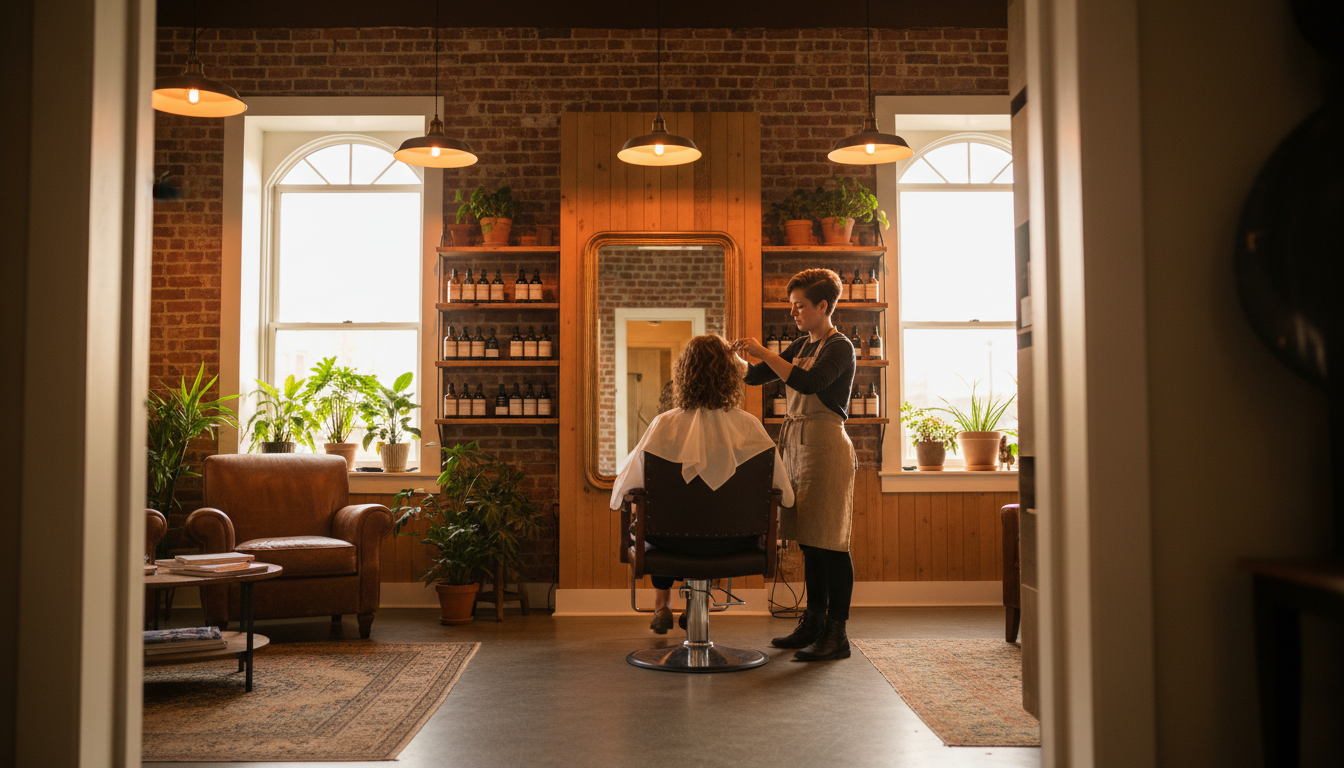
One of the primary goals of a sensory stylist is to create an environment that feels safe and calming. This might include dimming the lights, using unscented or lightly scented products, and minimizing background noise. By controlling these factors, the stylist can significantly reduce the sensory overload that some clients may experience.
Additionally, sensory stylists often use tools and techniques specifically designed to cater to their clients' needs. For example, they might use scissors with soft grips or brushes with gentle bristles to ensure a comfortable experience. These small adjustments can make a big difference in the client's overall experience.
Communicating with Clients
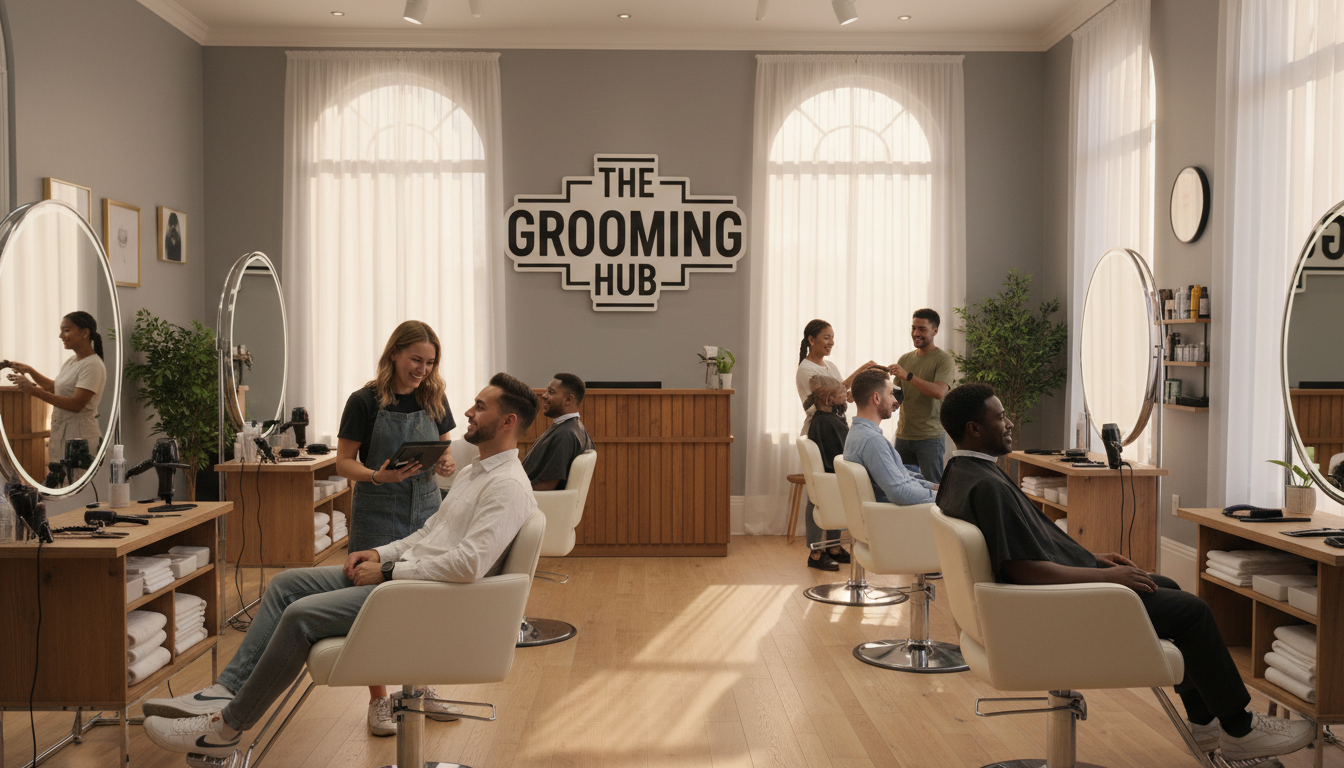
Effective communication is crucial when working with special needs clients. A sensory stylist must be an excellent listener, taking the time to understand each client's preferences and concerns. They may also use visual aids or picture boards to help clients express what they want more easily.
Building trust is another essential aspect of the sensory stylist's approach. By establishing a rapport with clients and their families, stylists can ensure that each visit is a positive and enjoyable experience. This trust enables clients to feel more at ease and confident in the stylist's care.
Customized Services and Techniques
Sensory stylists often offer customized services tailored to the specific needs of their clients. This might include scheduling appointments during quieter times of the day or allowing extra time for each session to avoid rushing. Flexibility is key in ensuring that each client receives the attention and care they deserve.

Furthermore, sensory stylists may incorporate calming techniques into their services, such as gentle massages or soothing music, to enhance relaxation. These thoughtful touches can transform a potentially stressful experience into one that is genuinely enjoyable and therapeutic.
Training and Expertise
The expertise of a sensory stylist goes beyond traditional beauty training. Many have undergone specialized courses to better understand sensory processing disorders and other special needs. This additional training equips them with the knowledge and skills necessary to provide exceptional care.
For anyone interested in becoming a sensory stylist, it's essential to seek out reputable programs that focus on inclusivity and accessibility. This specialized training not only benefits the stylist but also enriches the lives of their clients.

Conclusion: The Impact of Sensory Stylists
The role of a sensory stylist is both challenging and rewarding. By meeting the unique needs of special needs clients, these professionals help ensure that everyone can enjoy the benefits of personal care services. Their dedication to creating inclusive and accommodating environments is truly inspiring.
As more people become aware of the importance of sensory-friendly services, the demand for skilled sensory stylists is likely to grow. This positive trend highlights the need for more inclusive practices within the beauty industry, paving the way for a more understanding and compassionate world.