How to Create a Sensory-Friendly Haircut Experience at Home


Understanding Sensory Sensitivity
For many individuals, particularly those with autism or sensory processing disorders, haircuts can be an overwhelming experience. Sensory sensitivity can make the sounds, textures, and even the smells of a salon environment challenging. By creating a sensory-friendly haircut experience at home, you can help reduce anxiety and make the process more comfortable.
Understanding the specific triggers that cause discomfort is the first step. Some common sensory issues include sensitivity to noise, touch, and light. Identifying these can help tailor the haircut experience to be more accommodating.
Creating a Calm Environment
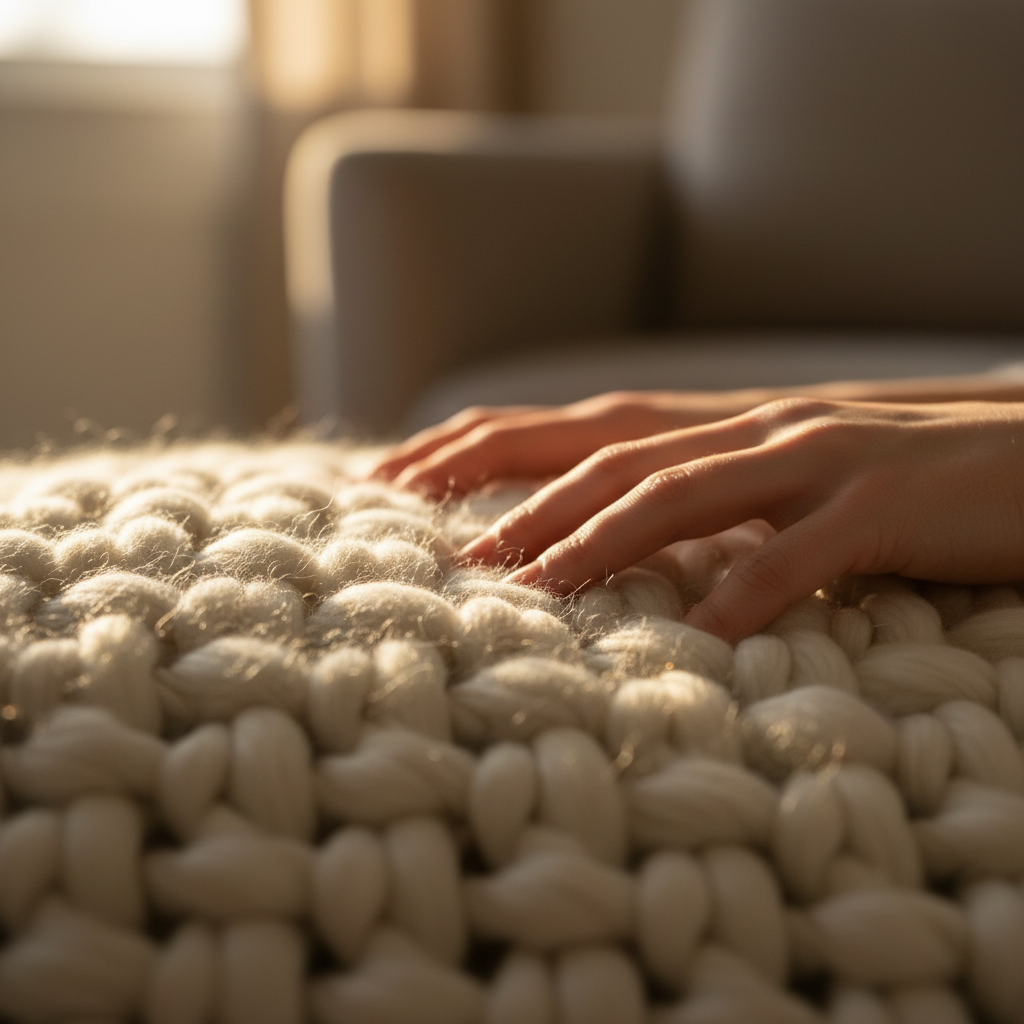
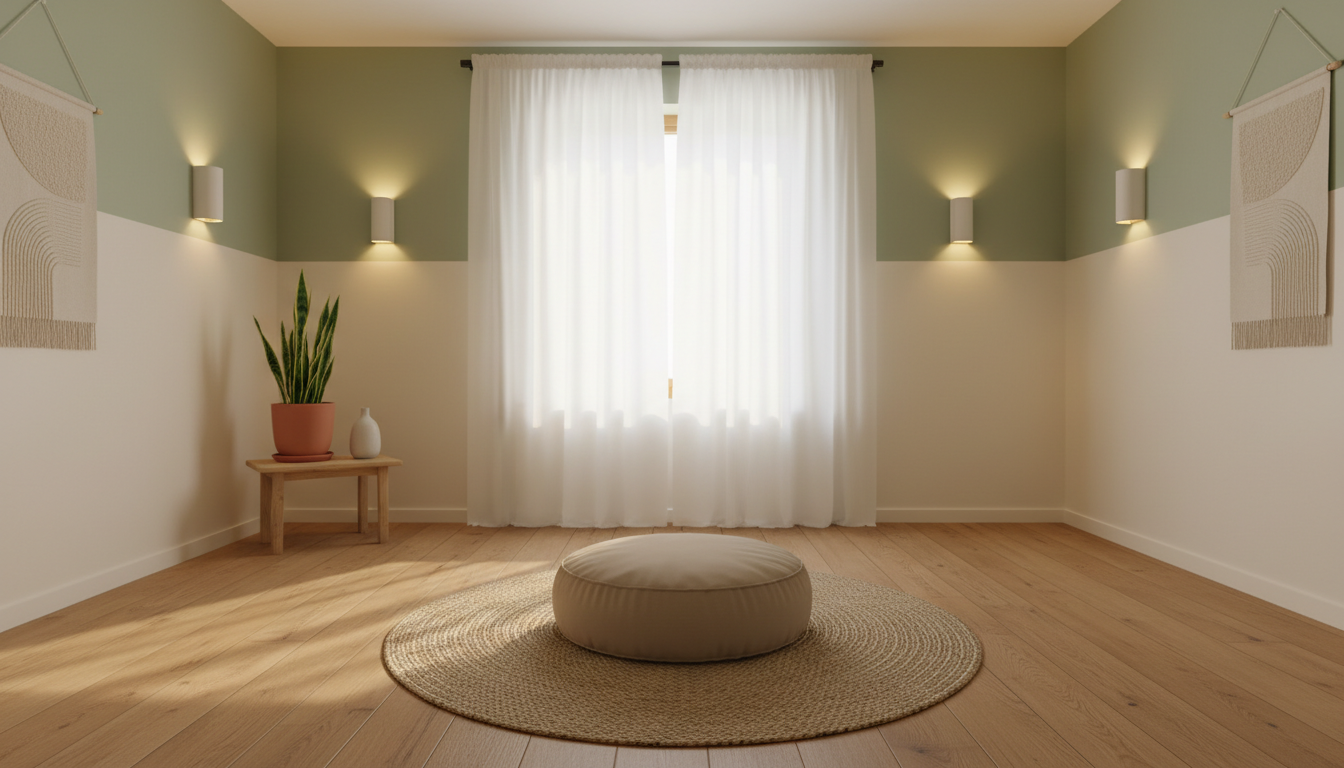
A calm and familiar environment is key to a sensory-friendly haircut. Choose a quiet room with minimal distractions. Soft, natural lighting can be less jarring than bright, artificial lights. Consider using noise-canceling headphones to block out unwanted sounds or playing soft, soothing music to create a relaxing atmosphere.
Make sure the space is comfortable by adjusting the temperature and ensuring there are comfortable seating options. A cozy chair or cushion can make a significant difference in comfort levels.
Selecting the Right Tools
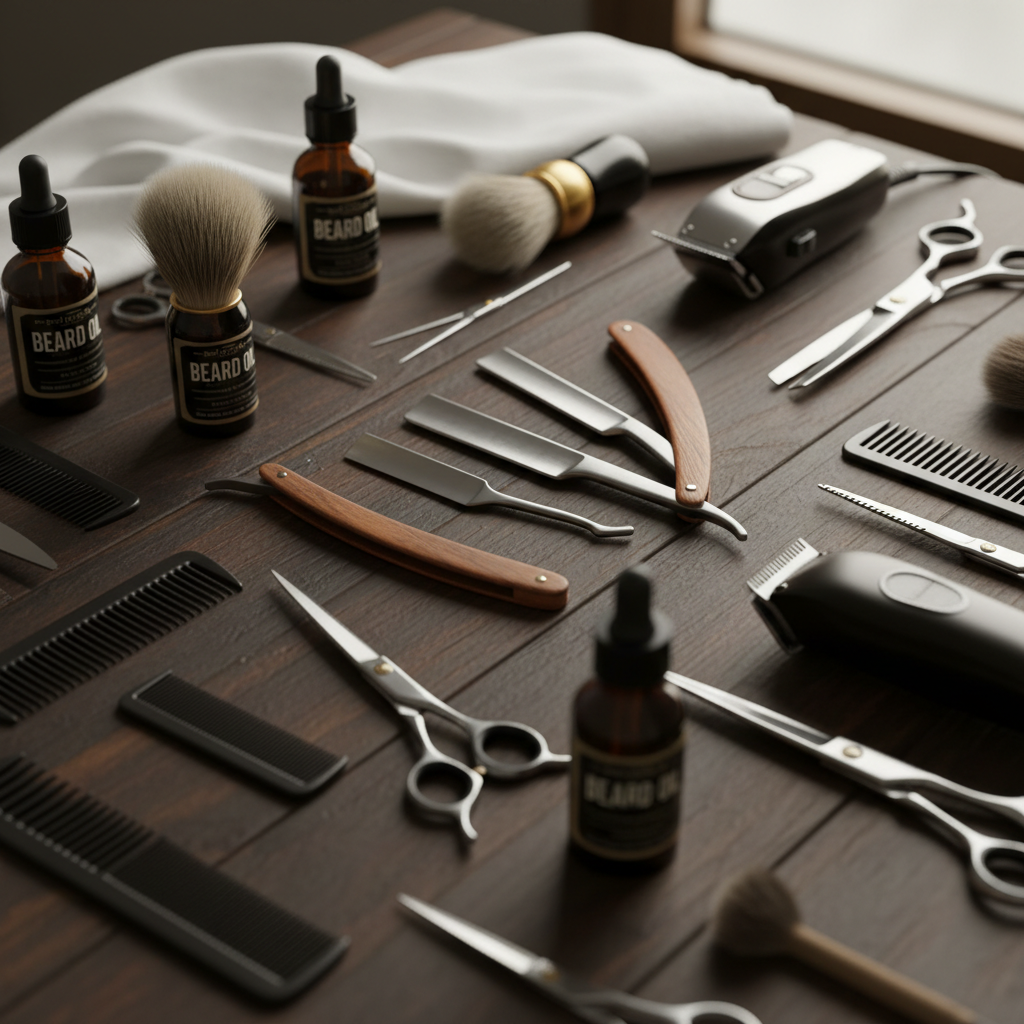
Using the appropriate tools is essential for a successful at-home haircut. Opt for quiet clippers or scissors to minimize noise. If the sensation of hair falling on the skin is bothersome, consider using a cape or towel to cover the neck and shoulders.
- Quiet clippers or scissors
- Comfortable cape or towel
- Soft hairbrush
Preparing for the Haircut
Preparation can significantly ease the haircut process. Before starting, explain each step of the haircut in simple terms. Allow the individual to ask questions and express any concerns. If possible, demonstrate what you will do on a doll or using visual aids.
Providing choices, such as picking their favorite cape or selecting a preferred hairstyle, can empower the individual and make them feel more in control of the situation.
During the Haircut
During the haircut, consistent communication is vital. Keep the individual informed about what you are doing and reassure them throughout the process. Taking breaks as needed can help manage stress and prevent sensory overload.
If the person becomes overwhelmed, pause and allow them time to calm down. Using positive reinforcement and praise can also help create a supportive atmosphere.

Post-Haircut Routine
After the haircut, engage in a calming activity to help transition back to normalcy. This could include a favorite game, a relaxing bath, or a quiet time with a book. Celebrating the completion of the haircut with a treat or reward can reinforce the positive experience.
Reflect on what worked well and what could be improved for next time. Each haircut is an opportunity to refine the process and enhance the sensory-friendly experience.
Conclusion
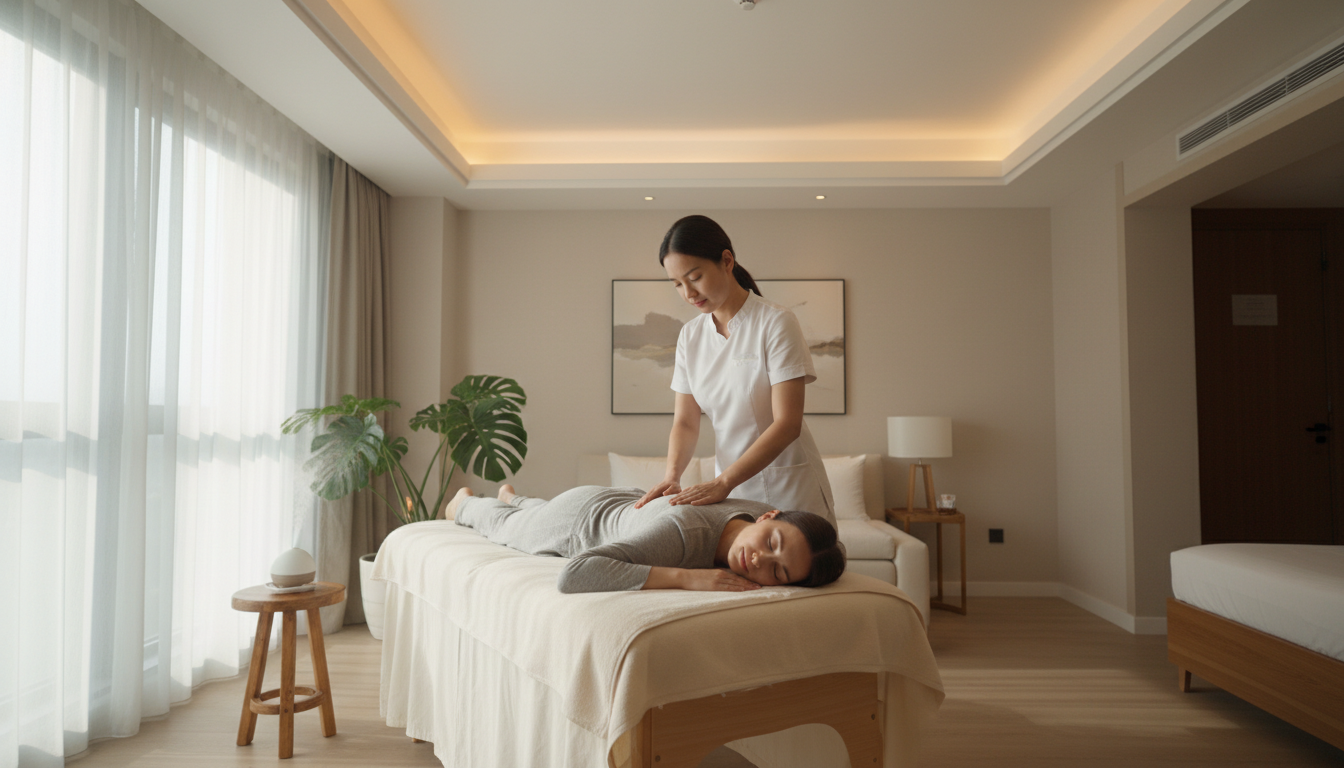
Creating a sensory-friendly haircut experience at home requires patience, understanding, and creativity. By focusing on a calm environment, appropriate tools, and clear communication, you can transform a potentially stressful situation into a positive and empowering experience. Remember, every individual is unique, so tailor the approach to meet their specific needs and preferences.