How to Create a Sensory-Friendly Haircut Experience at Home


Understanding Sensory Sensitivities
For many individuals, particularly those with sensory processing issues, getting a haircut can be an overwhelming experience. The sounds, smells, and physical sensations can be intense and distressing. By creating a sensory-friendly haircut experience at home, you can help reduce anxiety and make the process more comfortable and enjoyable.
Understanding the specific triggers for sensory sensitivities is crucial. Some might be sensitive to the sound of scissors, while others may find the feeling of hair on their skin uncomfortable. Identifying these triggers can guide you in creating a calming environment.
Setting Up a Calm Environment
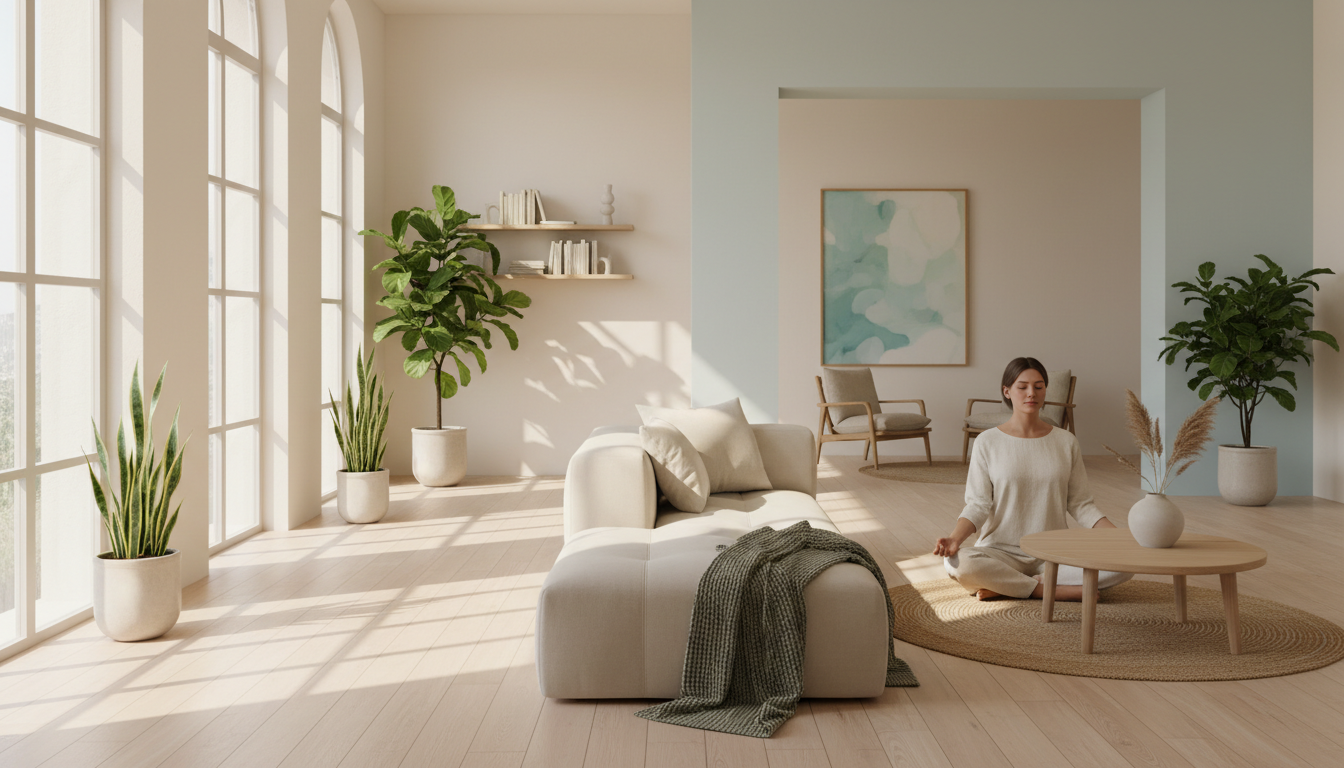
Creating a relaxing atmosphere is key to a sensory-friendly haircut. Start by choosing a quiet room where distractions are minimized. Soft lighting and calming music can help set a soothing tone. Consider using aromatherapy with mild scents like lavender to promote relaxation.
Ensure that the room is at a comfortable temperature. Being too hot or too cold can add to discomfort. Keeping a mirror handy can also help the person receiving the haircut feel more in control of the situation.
Choosing the Right Tools
Using the right tools can make a significant difference. Opt for scissors that are sharp and quiet. If the sound of clippers is distressing, consider using quieter models or simply sticking to scissors. Having a soft brush to remove hair from the neck and clothing can also help reduce discomfort.
If possible, involve the individual in choosing their haircut tools. This involvement can provide a sense of control and ease anxiety.
Engaging the Senses Positively
While you aim to minimize unpleasant sensory input, you can also incorporate positive sensory experiences. Let the person choose a favorite song to play during the haircut, or offer a soft toy or weighted blanket for comfort.

Using a gentle touch and moving slowly can also help. Communicate each step of the process clearly to avoid surprises and maintain a calm atmosphere. Encouraging deep breathing can further enhance relaxation.
Post-Haircut Comfort
After the haircut, take time to ensure the person feels comfortable and relaxed. Offer a warm towel to remove any remaining hair from the neck and shoulders. A light massage can also help soothe any residual tension.
Consider rewarding the experience with a favorite snack or activity. Positive reinforcement can turn the haircut into a more pleasant and anticipated routine.

Continual Adaptation and Communication
Every individual is unique, so it's important to continually adapt the environment and approach based on feedback. Regularly ask for input on what worked well and what could be improved for next time.
Effective communication and patience are key. With practice and care, you can transform haircut time into a manageable and even enjoyable experience for those with sensory sensitivities.