How The Sensory Stylist Transforms Haircuts for Special Needs Clients


Understanding the Sensory Stylist
For individuals with special needs, a visit to the hair salon can be an overwhelming experience. The noise, bright lights, and unfamiliar environment often lead to discomfort or anxiety. This is where the role of a Sensory Stylist becomes crucial. These professionals are specially trained to provide a calming and accommodating haircut experience tailored to the unique needs of each client.
The Sensory Stylist focuses on creating a soothing atmosphere by minimizing sensory triggers that may cause distress. Their approach goes beyond a typical haircut, ensuring that clients feel safe and understood throughout the process.
The Specialized Approach
Sensory Stylists employ a variety of techniques to ensure a positive experience. They often begin by having an in-depth conversation with the client or their caregivers to understand specific sensitivities and preferences. This personalized approach helps in crafting a plan that caters to individual needs.
Some common strategies include adjusting lighting, using noise-canceling headphones, or incorporating soothing music. The stylist may also utilize visual aids or social stories to explain the process, helping to alleviate any fears or uncertainties the client might have.
Tools and Techniques
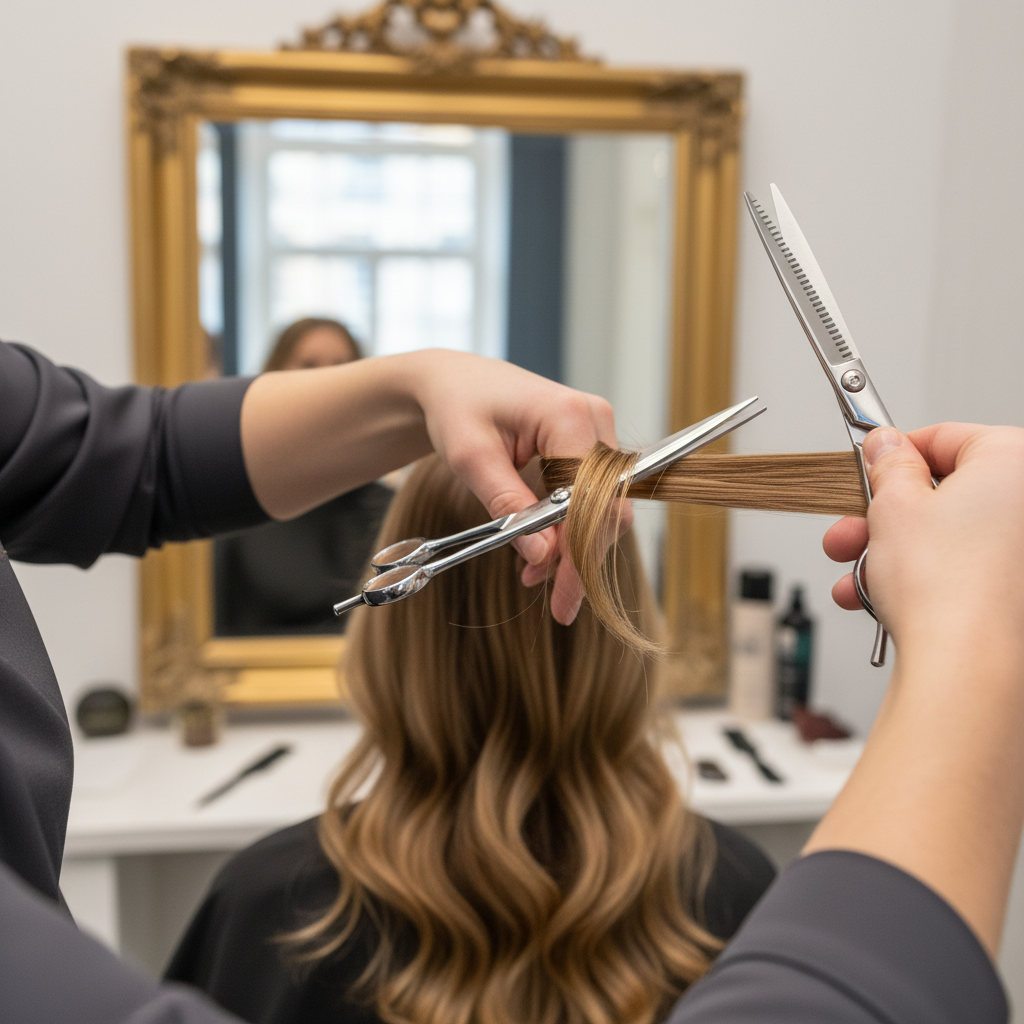
In addition to environmental adjustments, Sensory Stylists often use specialized tools and techniques. For instance, they might use scissors instead of clippers to reduce noise or select gentle, hypoallergenic products to avoid skin irritations. These thoughtful choices make a significant difference in the overall experience.

Building Trust and Comfort
Establishing trust is a key component of the Sensory Stylist's role. By being patient and attentive, they work to build a rapport with their clients. This relationship allows clients to express their preferences and concerns freely, making the haircut experience more enjoyable.
Trust also extends to the stylist's commitment to maintaining consistency. Regular appointments with the same stylist can help clients feel more at ease, as it builds familiarity with the person and the process.
Benefits for Clients and Families
The impact of a Sensory Stylist goes beyond the salon chair. For clients, a positive haircut experience boosts confidence and self-esteem. Families also benefit from reduced stress, knowing that their loved one is in caring and capable hands.

Training and Certification
Becoming a Sensory Stylist requires specialized training. Many professionals seek certification programs that focus on understanding sensory processing disorders, autism spectrum disorders, and other special needs. These programs equip stylists with the skills to adapt their techniques and create a supportive environment.
Ongoing education is also a priority, as Sensory Stylists continually seek new methods to enhance their service offerings. This commitment to learning ensures they remain at the forefront of best practices in the industry.
Conclusion
The work of a Sensory Stylist is transformative, offering a tailored haircut experience that respects and accommodates the unique needs of special needs clients. By creating a welcoming and understanding environment, these professionals play a vital role in making haircare accessible and enjoyable for everyone. Their dedication not only changes the way haircuts are perceived but also enriches the lives of clients and their families.