Creating a Sensory-Friendly Environment for Haircuts at Home


Understanding Sensory Sensitivities
Creating a sensory-friendly environment for haircuts at home can be a game-changer for individuals with sensory sensitivities. These sensitivities can make the experience of a haircut overwhelming due to the sounds, textures, and even the smells involved. Understanding these challenges is the first step towards a more comfortable experience.
Individuals with sensory sensitivities may react strongly to the buzzing of clippers, the feeling of hair falling on their neck, or the smell of hair products. By recognizing these triggers, you can create a more accommodating environment at home.
Preparing the Environment
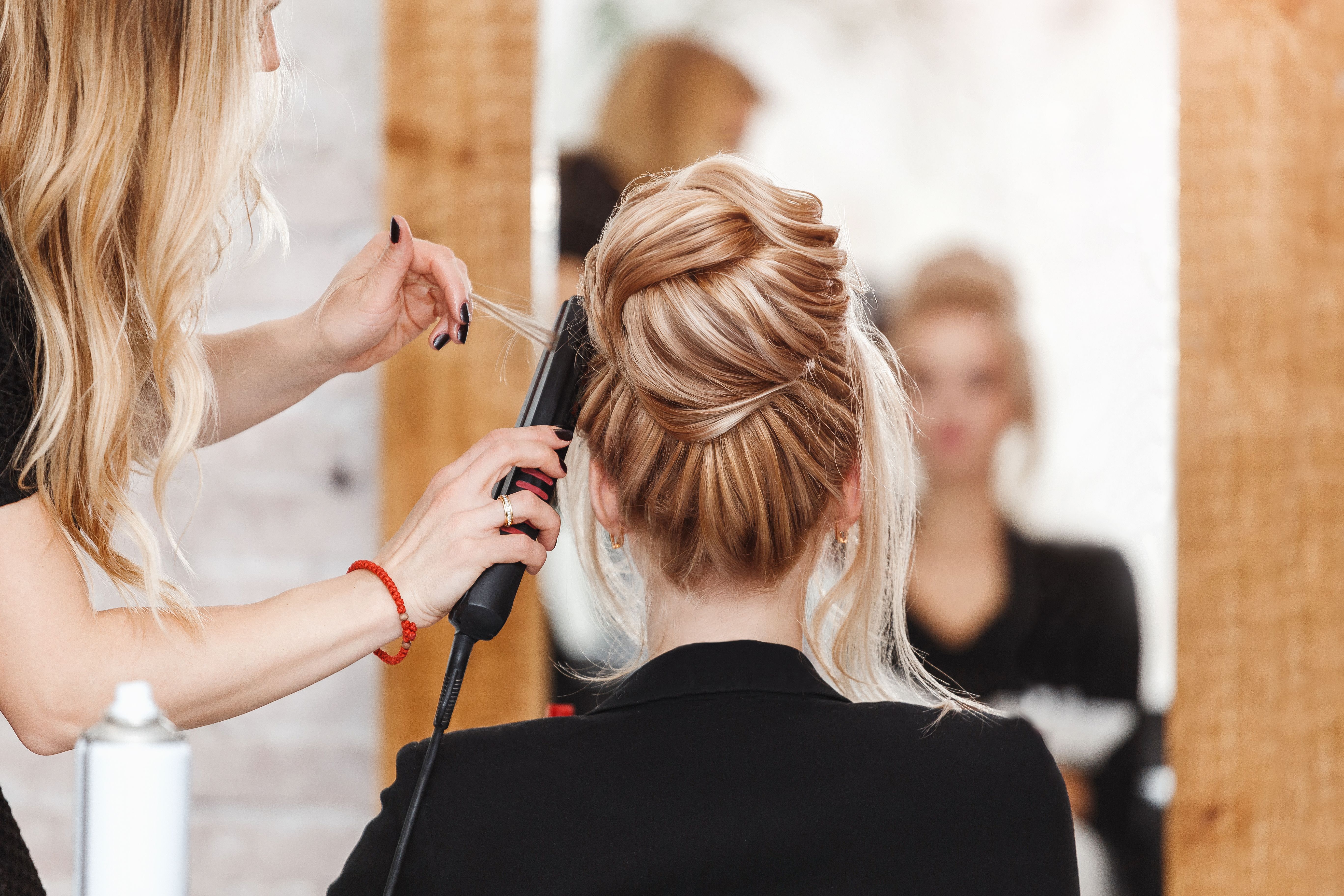
Setting up a sensory-friendly space involves minimizing distractions and creating a calming atmosphere. Start by choosing a quiet, comfortable room where you can control the lighting and noise levels. Soft, natural lighting is often preferred, as bright lights can be overwhelming.
Consider the seating arrangement. A comfortable chair with good support and a secure feeling can help the person receiving the haircut feel more at ease. You might also want to play soothing music or white noise to help drown out any distracting sounds.
Choosing the Right Tools
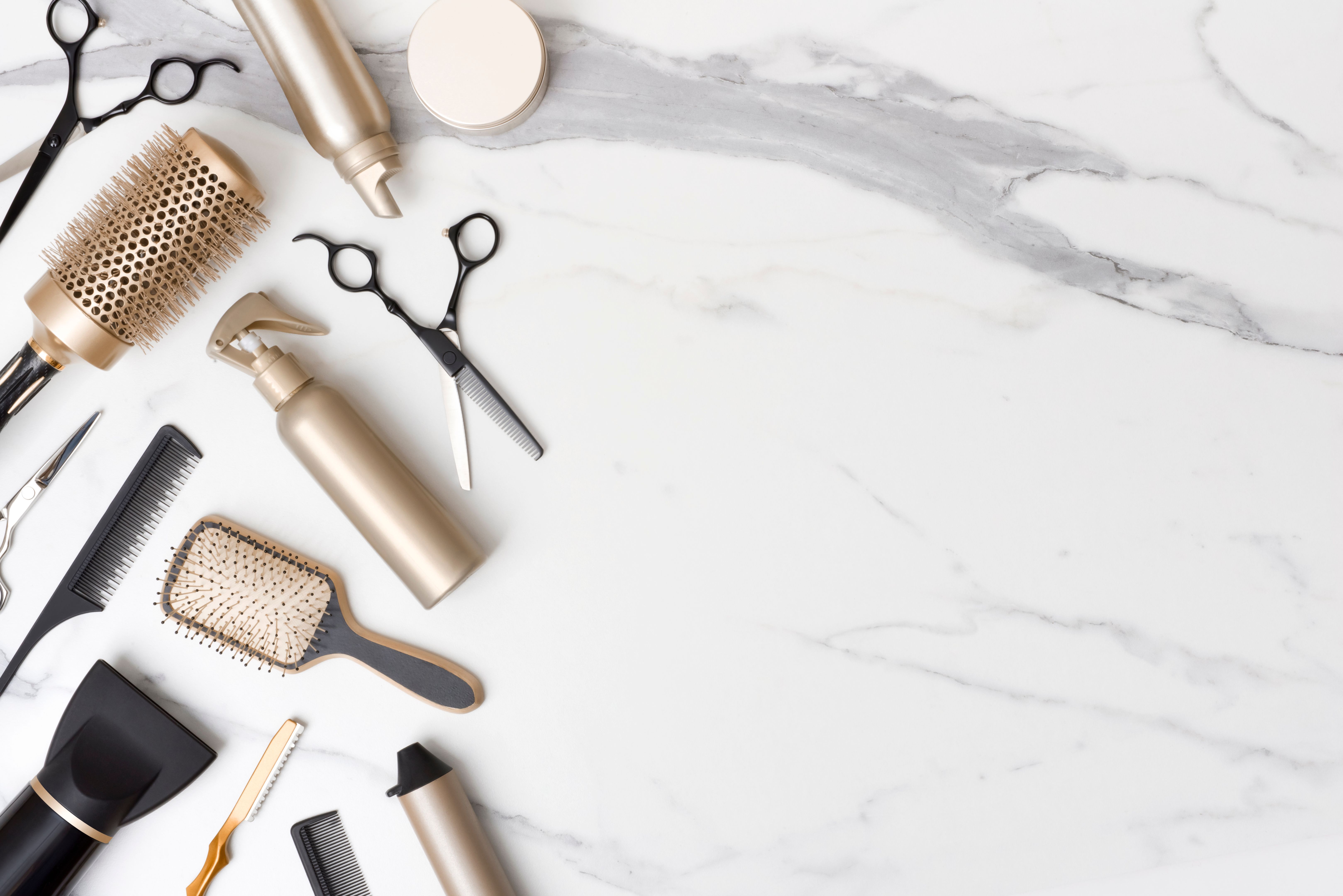
Selecting the appropriate tools is essential for a sensory-friendly haircut. Opt for quieter clippers and scissors to reduce noise. Using tools with soft grips can also make the process more comfortable for both the person giving and receiving the haircut.
In addition, consider using unscented or lightly scented hair products to avoid overwhelming smells. Some people may also benefit from using a weighted cape, which can provide a calming sensation.
Communication is Key
Open communication is crucial when giving a haircut to someone with sensory sensitivities. Clearly explain each step of the process and provide reassurance throughout. Allow the person to express any discomfort or preferences, and be prepared to make adjustments as needed.
It may also be helpful to establish a signal the person can use if they need a break. This empowers them to take control of the situation and reduces anxiety.
Incorporating Relaxation Techniques
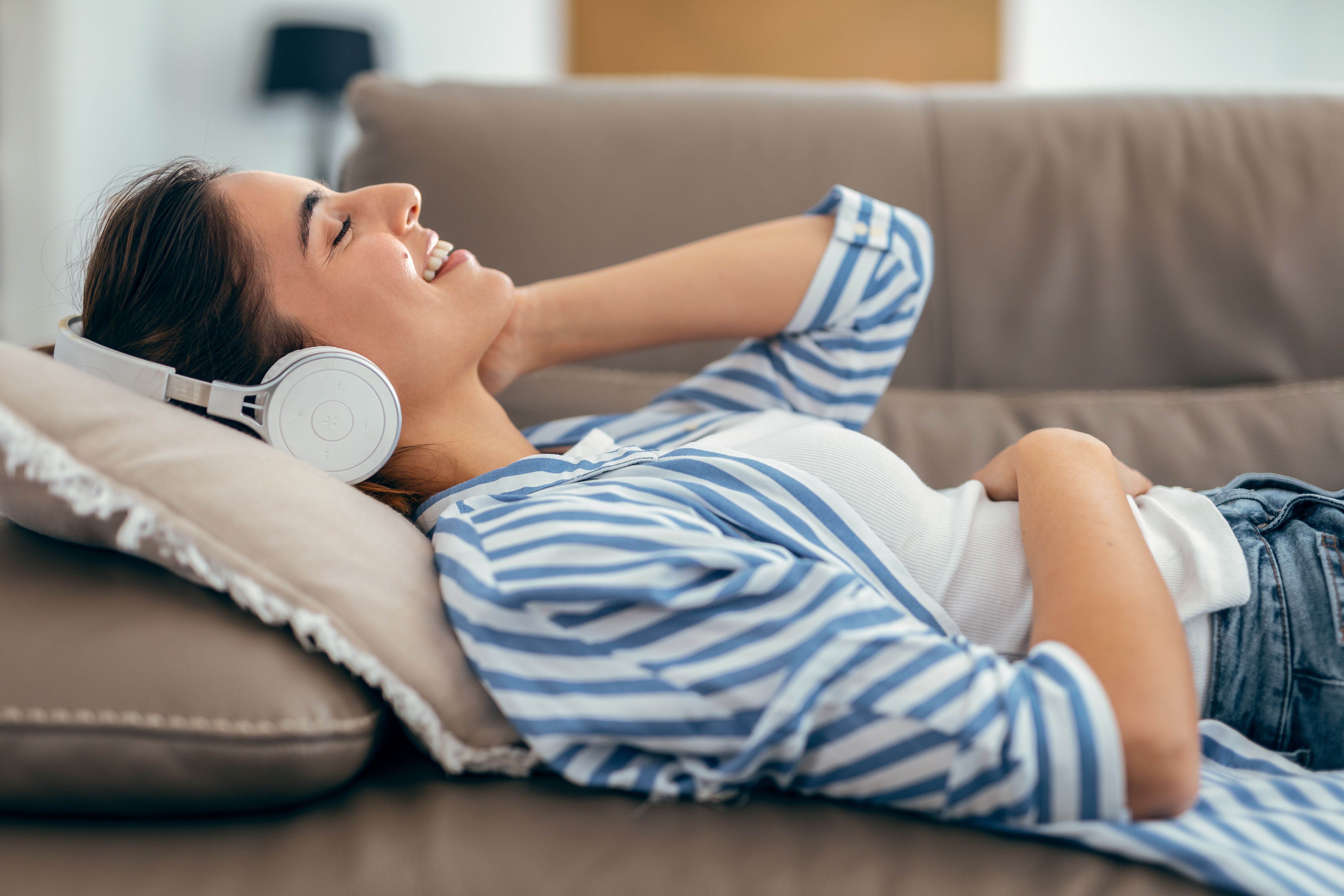
Incorporating relaxation techniques can further enhance the experience. Deep breathing exercises or gentle massage of the shoulders can help the person relax before and during the haircut. You can also use visualization techniques, encouraging them to imagine a calming scene.
Post-Haircut Comfort
After the haircut, make sure to clean up any fallen hair promptly, as the sensation of hair on the skin can be uncomfortable for many. Offering a warm towel or a gentle scalp massage can also be soothing and help conclude the experience on a positive note.
Reflect on what worked well and consider any adjustments for the next time. Creating a sensory-friendly environment is an evolving process, and being adaptable is key to success.