Creating a Sensory-Friendly Environment for Hair and Nail Services


In recent years, there has been a significant shift towards creating more inclusive and sensory-friendly environments in various service industries, including hair and nail salons. For individuals with sensory sensitivities, these environments can make a world of difference, turning what might be an overwhelming experience into a soothing and enjoyable one.
Creating a sensory-friendly environment involves understanding the needs of clients who may have sensory processing disorders, autism, or anxiety. By making some thoughtful adjustments, salon owners can ensure a more comfortable and welcoming space for all clients.
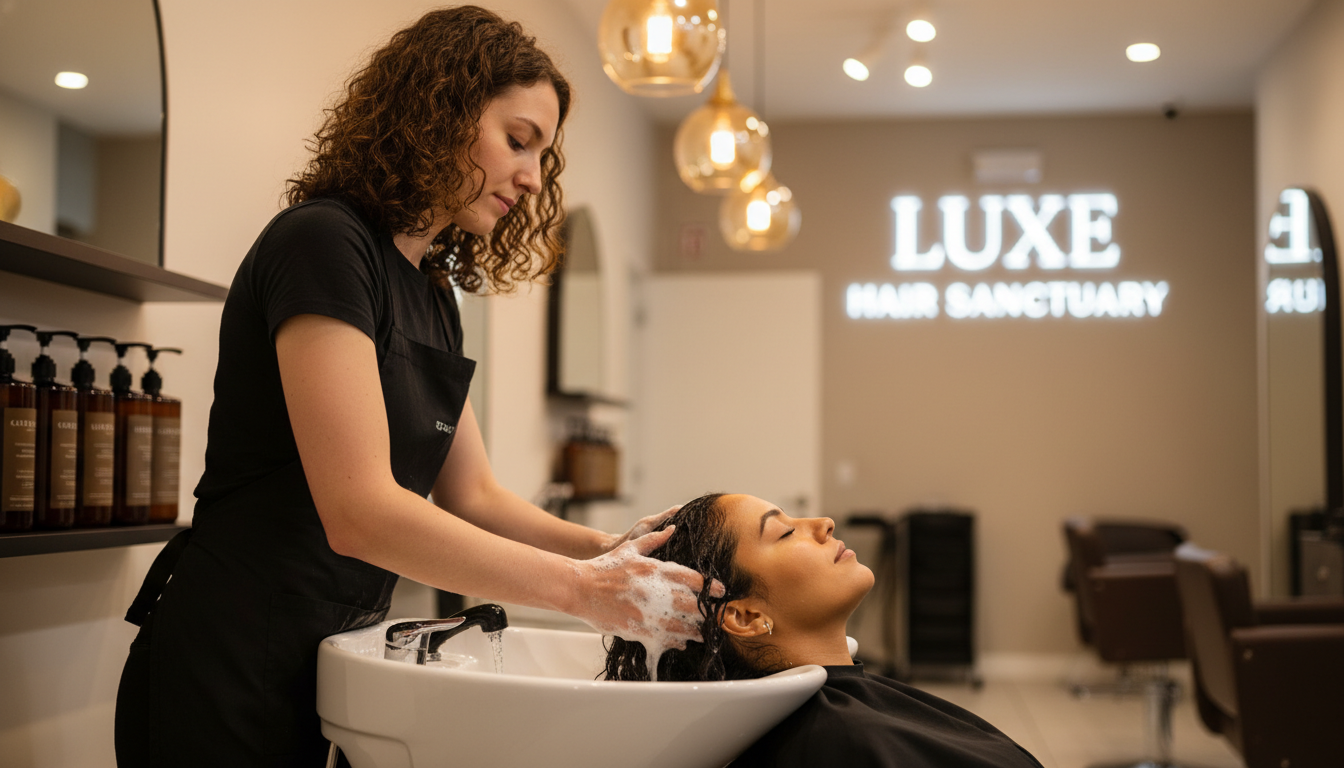
Understanding Sensory Sensitivities
Before implementing changes, it's crucial to understand what sensory sensitivities entail. People with sensory sensitivities might be overly sensitive to sounds, lights, scents, or textures. This means that a typical salon experience, which often includes bright lights, strong smells from products, and loud noises from tools, can be overwhelming.
Recognizing these sensitivities allows salon owners to identify areas where adjustments are necessary. For instance, loud hairdryers or strong chemical odors might need to be addressed to cater to sensitive clients.
Adjusting the Salon Environment
One of the first steps in creating a sensory-friendly salon is to look at the physical environment. Consider implementing softer lighting options, such as dimmable lights or natural light sources, which can reduce the harshness of typical salon lighting.
Another key aspect is sound management. Using noise-reducing materials like carpets or curtains can help minimize echo and loud noises. Additionally, offering noise-canceling headphones can be a thoughtful option for clients sensitive to sound.
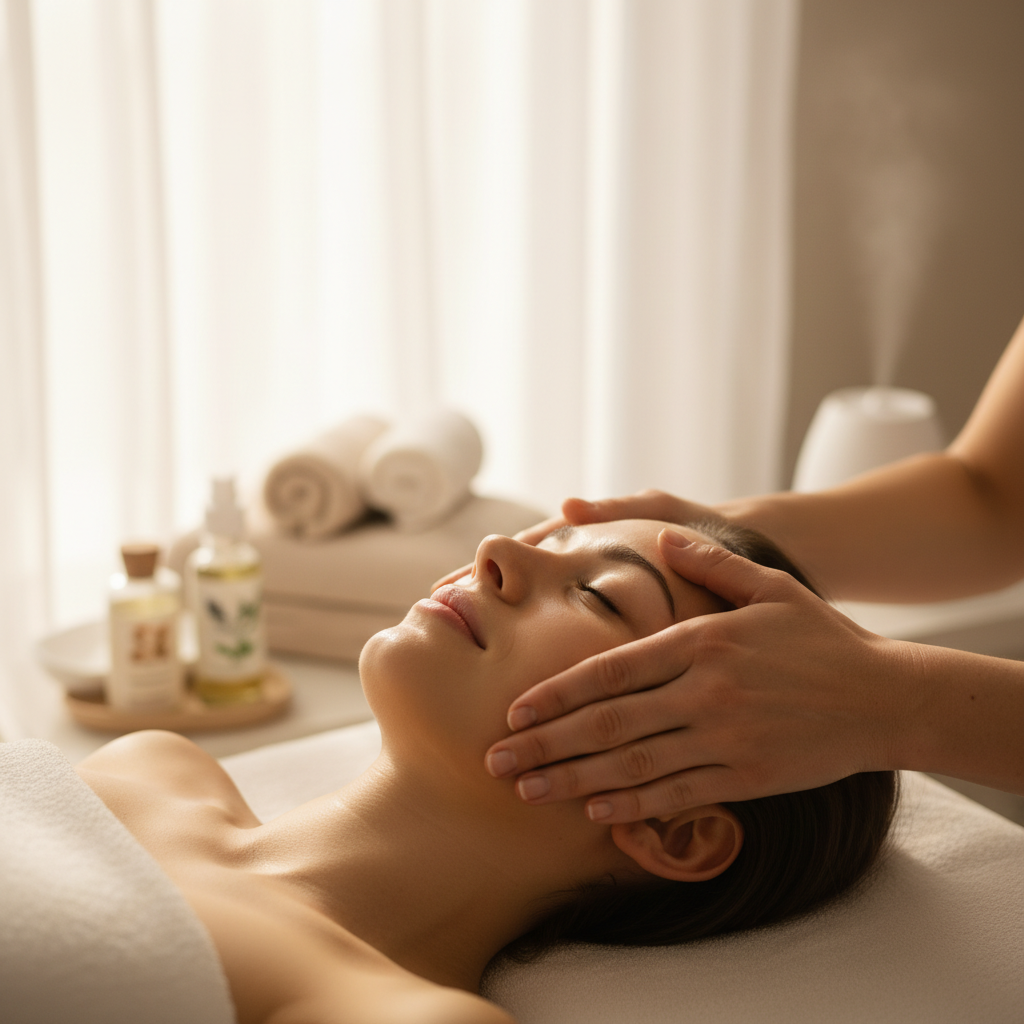
Product Selection and Scent Control
Many salons use products with strong fragrances, which can be overwhelming for some clients. Opt for unscented or lightly scented products whenever possible. It's also helpful to have a dedicated area where clients can choose fragrance-free options.
Moreover, consider using air purifiers to help manage and minimize the presence of strong odors. This can significantly enhance the comfort level for clients with scent sensitivities.
Training and Communication
Staff training plays a vital role in creating a sensory-friendly environment. Educating employees about sensory sensitivities and how to interact with clients who may have them is essential. Empathy and patience can go a long way in ensuring a positive experience for everyone.
Open communication is equally important. Encourage clients to share their specific needs and preferences. This can be facilitated through intake forms or direct conversations, enabling the salon to tailor the experience to individual requirements.

Creating a Relaxing Atmosphere
In addition to the physical and sensory adjustments, fostering a calm and relaxing atmosphere can greatly benefit all clients. Consider playing soft, soothing music and offering calming teas or refreshments while clients wait for their appointments.
Investing in comfortable seating and providing a quiet area where clients can retreat if they feel overwhelmed can further enhance the overall experience. These small touches demonstrate a commitment to client comfort and inclusivity.
Feedback and Continuous Improvement
Finally, always seek feedback from clients to understand how well the sensory-friendly measures are working. Encourage them to share their experiences and suggestions for improvement. This feedback is invaluable for continuously refining the salon environment.
Creating a sensory-friendly environment is an ongoing process that requires attention and dedication. By making these thoughtful changes, salons can become more inclusive and welcoming spaces for everyone.