Creating a Safe and Comfortable Environment for Sensory Haircuts


Understanding Sensory Needs
For many individuals, particularly those with sensory processing disorders, getting a haircut can be an overwhelming experience. The sounds, smells, and touch involved in a typical salon visit can lead to discomfort or anxiety. Creating a safe and comfortable environment for sensory haircuts is crucial in ensuring a positive experience for everyone involved.
Understanding the unique sensory needs of each individual is the first step. Some may be sensitive to loud noises, while others might react to the sensation of hair clippings on their skin. By acknowledging these needs, stylists can tailor their approach to make the experience as soothing as possible.
Creating a Calming Atmosphere
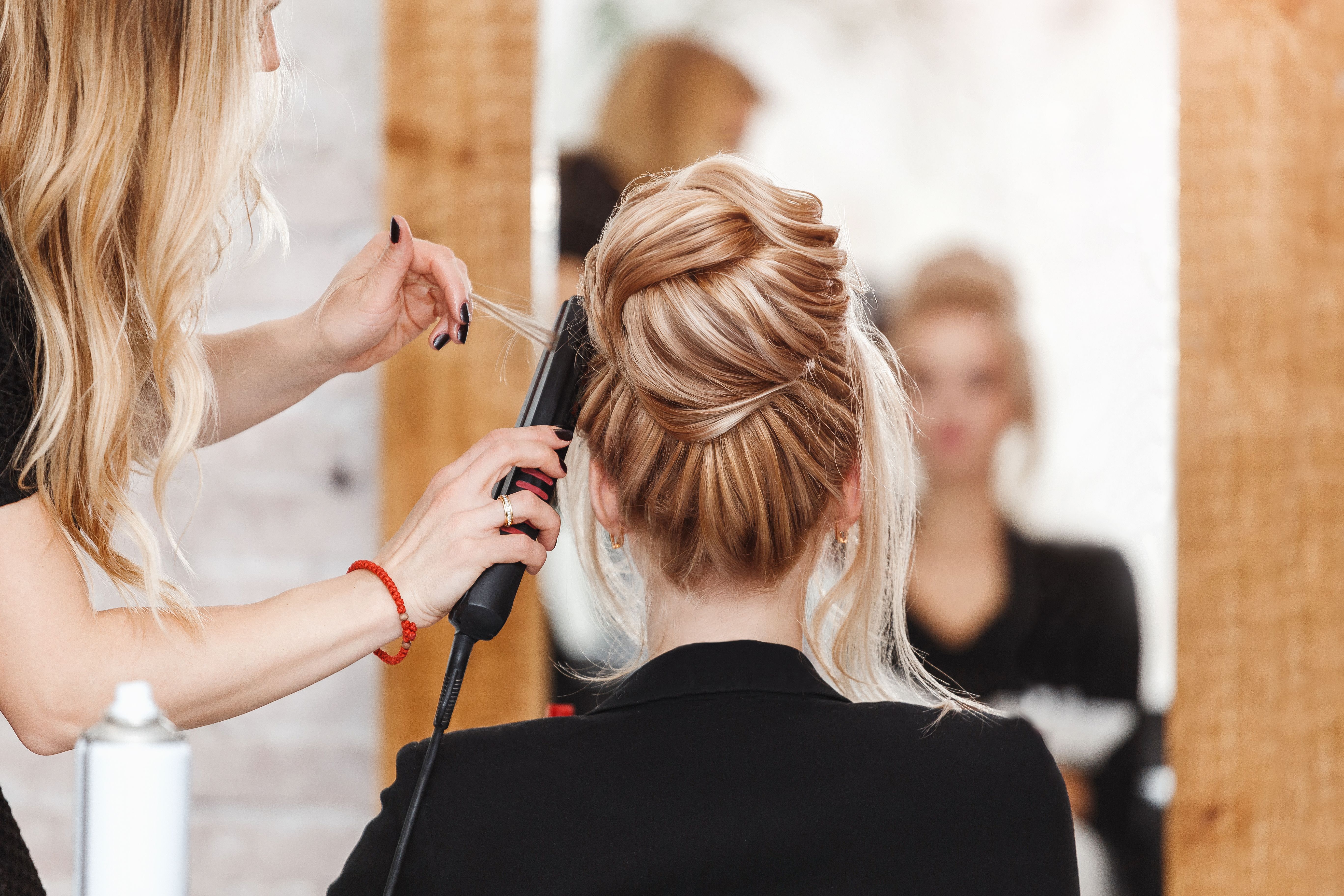
A tranquil environment is key to providing a comfortable haircut experience. Consider using soft lighting and muted colors to create a visually soothing space. Aromatherapy with calming scents like lavender can also help in reducing anxiety.
Sound is another important factor. Background music or white noise machines can help drown out potentially distressing sounds, such as hairdryers or clippers. Offering noise-canceling headphones is another effective way to minimize auditory discomfort.

Personalized Equipment and Techniques
Using the right equipment can make a significant difference. Opt for quieter clippers and scissors to reduce noise. For those sensitive to touch, using a gentle approach can help minimize discomfort.
Stylists should be trained in sensory-friendly techniques. This includes explaining each step before it happens and offering breaks if needed. Allowing the client to hold a comforting object or fidget toy can also provide a sense of security.
Engaging Clients in the Process
Involving clients in the haircut process can empower them and reduce anxiety. Allow them to choose their preferred style or length, and encourage them to express any discomfort or preferences during the session.
Communication is essential. Ask open-ended questions to understand their likes and dislikes. Providing visual aids, such as pictures or diagrams, can help them make informed decisions about their haircut.
Training and Education for Stylists
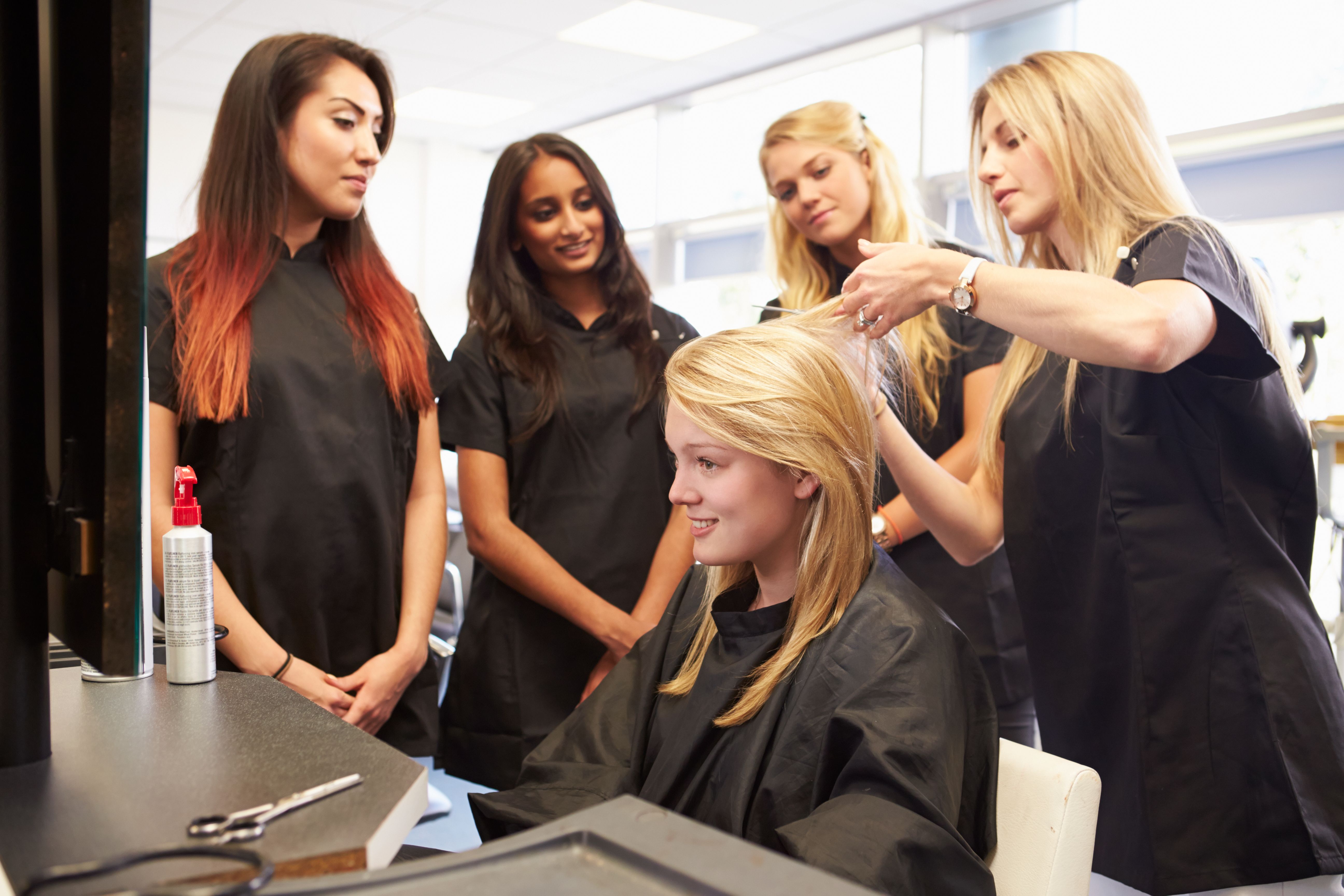
Stylists should receive ongoing training to better understand sensory processing disorders and how to accommodate those with special needs. Workshops and seminars can provide valuable insights and techniques for creating a sensory-friendly salon experience.
Education also extends to understanding the emotional aspects of a haircut. Stylists should be trained to recognize signs of distress and know how to respond appropriately to maintain a calm environment.
Feedback and Continuous Improvement
Regular feedback from clients can help salons improve their sensory-friendly services. Encourage clients to share their experiences and suggestions for improvement. This feedback can be invaluable in refining techniques and adjusting the salon environment to better meet sensory needs.
By continually seeking feedback and making adjustments, salons can become a haven for those who find traditional haircuts challenging, ensuring a pleasant and relaxing experience for everyone.