Creating a Calming Haircut Experience for Special Needs Children


Understanding the Needs of Special Needs Children
Creating a calming haircut experience for special needs children requires a deep understanding of their unique needs. These children may experience sensory sensitivities, making the sound of clippers or the feeling of hair falling on their skin uncomfortable. It's essential to approach each child with patience and empathy, tailoring the experience to their individual preferences.
Parents and caregivers can provide valuable insights into what might make the child more comfortable. Establishing a sense of trust and predictability can significantly reduce anxiety and make the process smoother for everyone involved.
Preparing for the Haircut
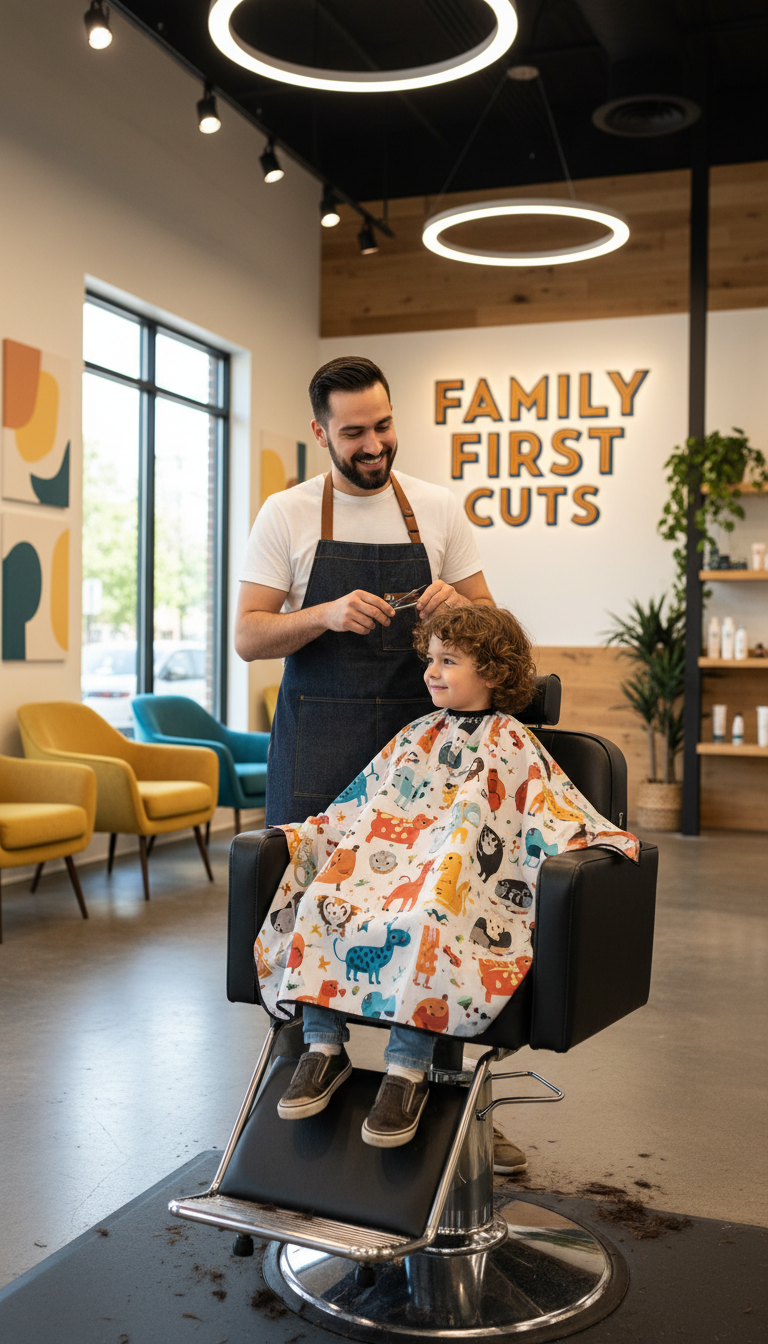
Preparation is key to ensuring a successful haircut session. Before the appointment, introduce the child to the tools and environment they will encounter. This might include showing them pictures or videos of the salon, letting them touch the combs and clippers, or even doing a mock haircut at home.
Consider scheduling the appointment during a quieter time of day when the salon is less crowded. This minimizes sensory overload and creates a more relaxing atmosphere. Communicate with the hairstylist about any specific strategies that might help, such as playing the child's favorite music or allowing them to hold a comforting object during the haircut.
Creating a Sensory-Friendly Environment
Transforming the salon into a sensory-friendly environment can make a world of difference. Soft lighting, calming colors, and minimal noise can help create a soothing atmosphere. Some salons have designated spaces or sensory-friendly hours specifically for special needs clients, which can be beneficial.
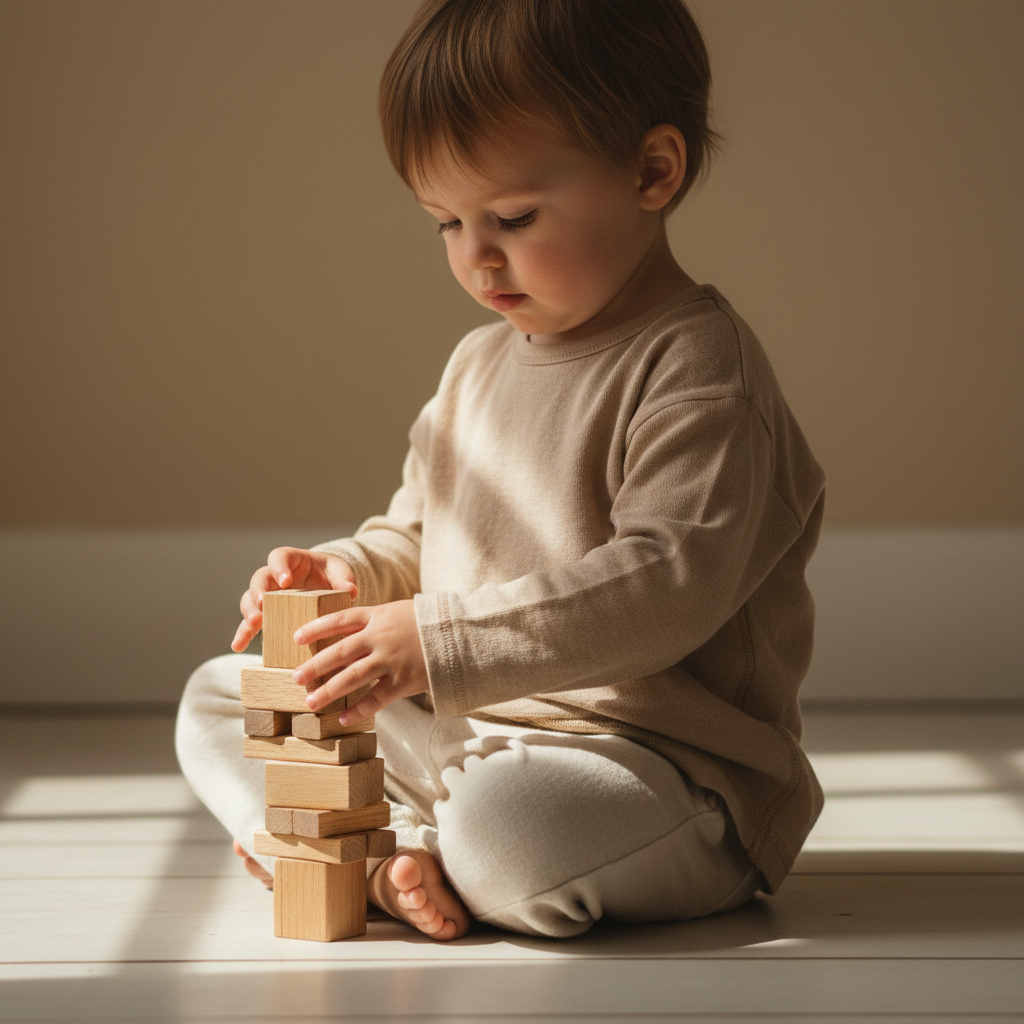
Offer sensory tools such as weighted blankets or noise-canceling headphones to help the child feel more at ease. Providing distractions like tablets or fidget toys can also help keep them engaged and relaxed during the haircut.
Effective Communication Techniques
Clear and positive communication is crucial when working with special needs children. Use simple language and visual cues to explain each step of the haircut process. Let the child know what to expect and encourage them to express their feelings and preferences.
Listening to the child's verbal and non-verbal cues can guide the stylist in adjusting their approach. Offering choices, such as selecting the cape color or deciding the order of the haircut steps, empowers the child and gives them a sense of control.
Celebrating Success
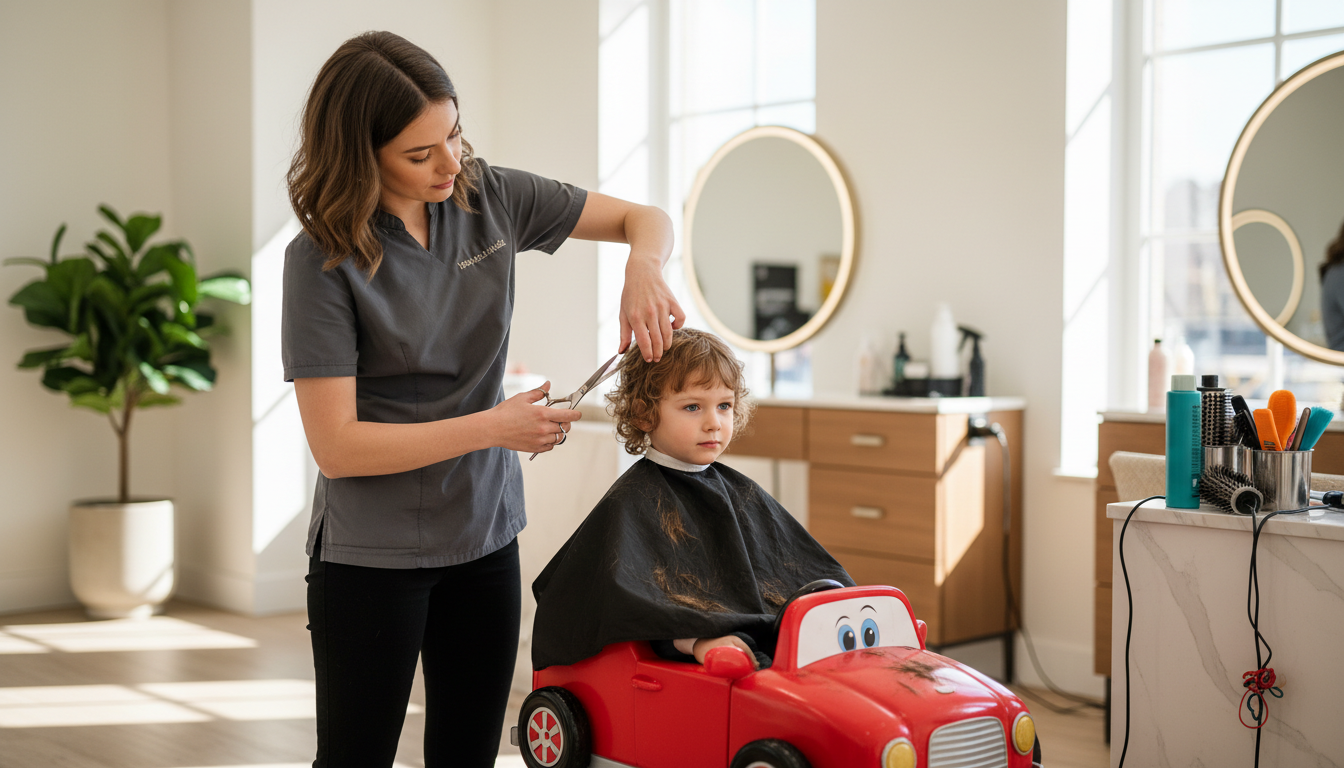
After the haircut, celebrate the child's success with positive reinforcement. A small reward, such as a sticker or a favorite snack, can make the experience feel like an accomplishment. Praising their bravery and cooperation reinforces a positive association with haircuts.
By focusing on creating a calming and supportive environment, hairstylists and caregivers can ensure that special needs children have a positive haircut experience. With understanding, preparation, and patience, each visit to the salon can become an opportunity for growth and confidence.