Creating a Calm Environment: Sensory-Friendly Haircut Tips


Creating a calm and sensory-friendly environment for haircuts can make a significant difference for individuals with sensory sensitivities. Whether you're a parent, caregiver, or hairstylist, understanding how to reduce stress during a haircut is crucial.
Understanding Sensory Sensitivities
Sensory sensitivities can manifest in various ways, from discomfort with certain textures to an aversion to specific sounds. Recognizing these sensitivities is the first step in creating a calming atmosphere. It's important to communicate with the individual or their caregiver to identify any specific triggers.
Preparing the Environment
A well-prepared environment can significantly reduce anxiety. Consider the following tips:
- Lighting: Soft, natural lighting can help create a soothing ambiance. Avoid harsh fluorescent lights if possible.
- Sound: Minimize noise by using quiet clippers and playing calming music or white noise to drown out other sounds.
- Aromatherapy: Subtle scents, such as lavender or chamomile, can have a calming effect. Use them sparingly to avoid overwhelming the senses.
Having a designated quiet area can also provide a retreat if the individual becomes overwhelmed.
Choosing the Right Tools
Using appropriate tools can make the haircut experience more comfortable:
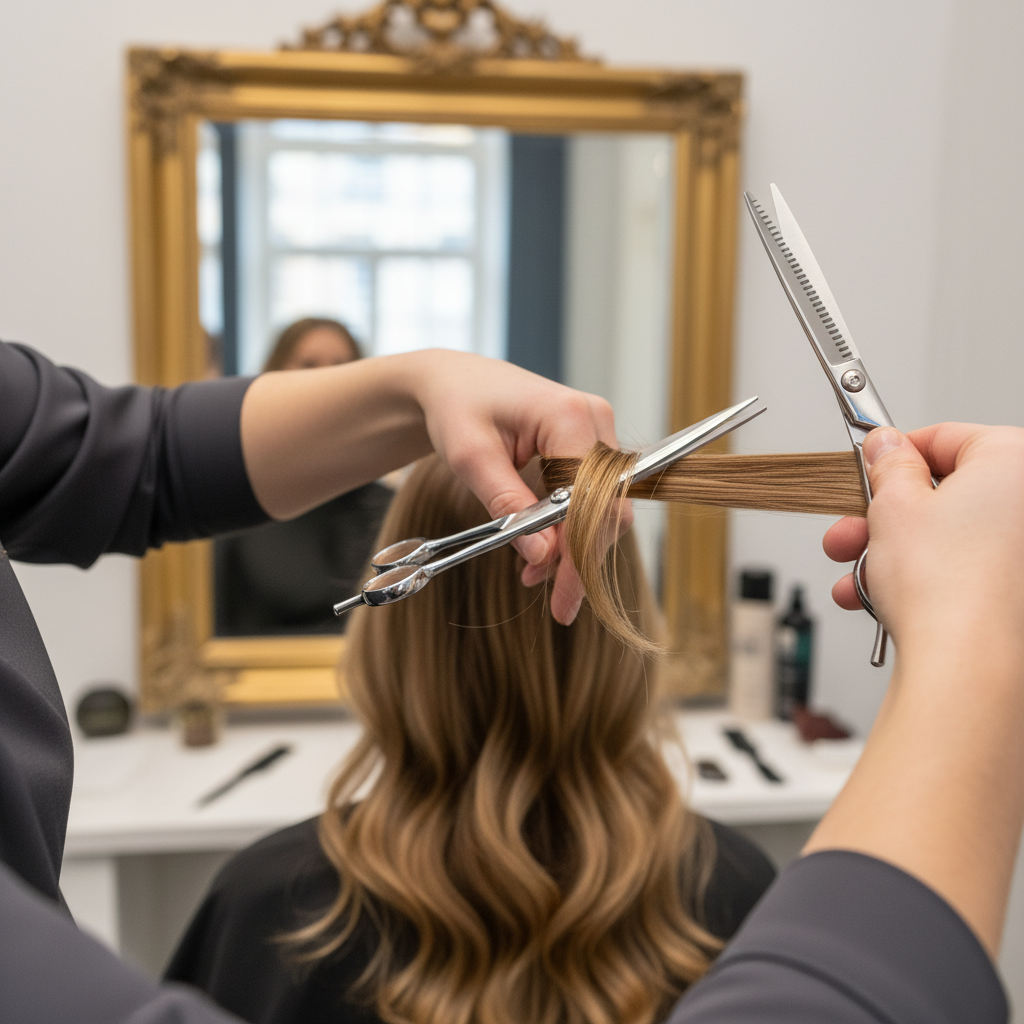
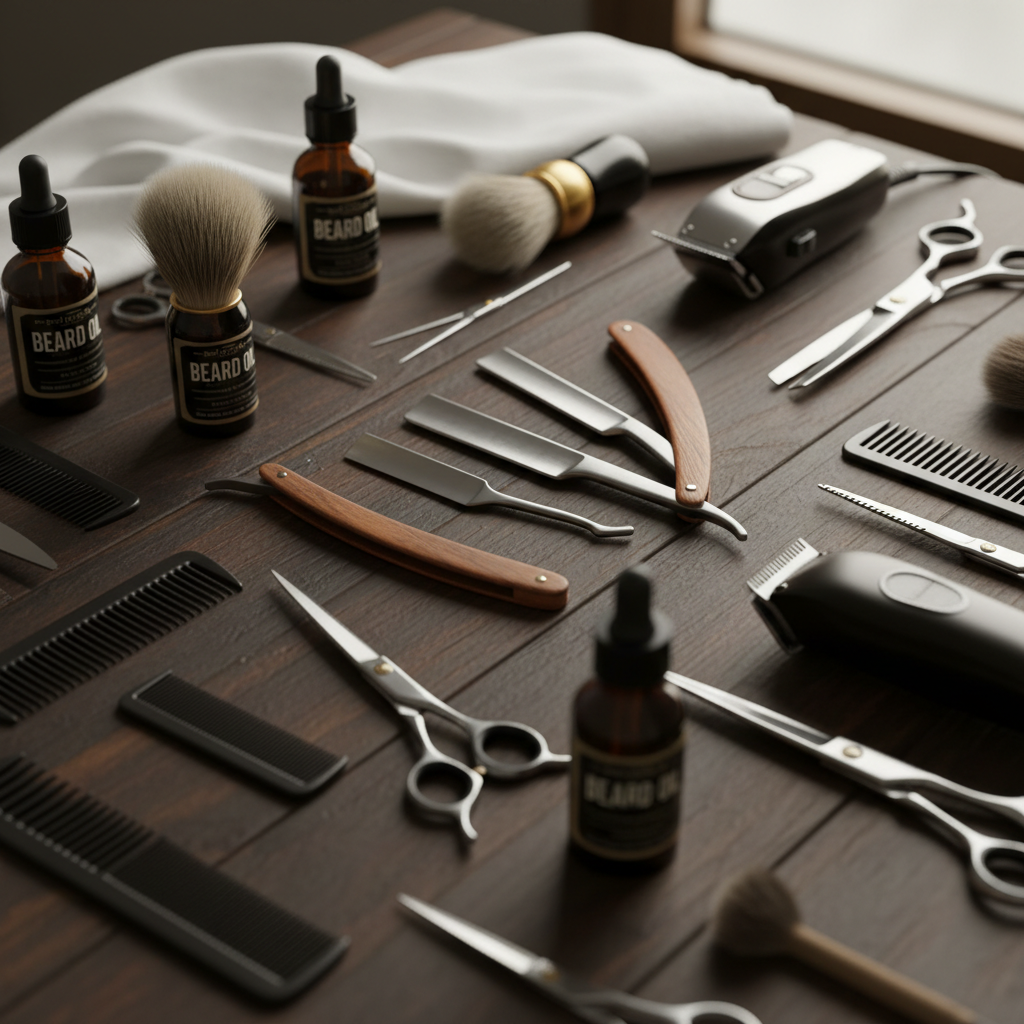
- Scissors over Clippers: For those sensitive to vibrations, scissors might be less distressing than clippers.
- Soft Brushes: Use soft-bristled brushes to gently detangle hair without causing discomfort.
- Cape Alternatives: Some individuals may prefer a towel or a different fabric instead of a traditional cape.
Engaging and Distracting Techniques
Engagement and distraction can significantly ease the haircut process. Here are some strategies:
- Visual Distractions: Provide a tablet or smartphone with a favorite video or game.
- Comfort Items: Allow the individual to hold a favorite toy or blanket.
- Involvement: Let them participate by holding a comb or choosing a hairstyle.
These techniques can help divert attention from the sensory input of the haircut.
Scheduling and Timing
Timing can play a crucial role in ensuring a calm haircut experience. Consider the following:
- Optimal Time: Schedule appointments when the individual is well-rested and fed.
- Avoid Busy Times: Choose a quieter time of day at the salon to reduce additional stressors.
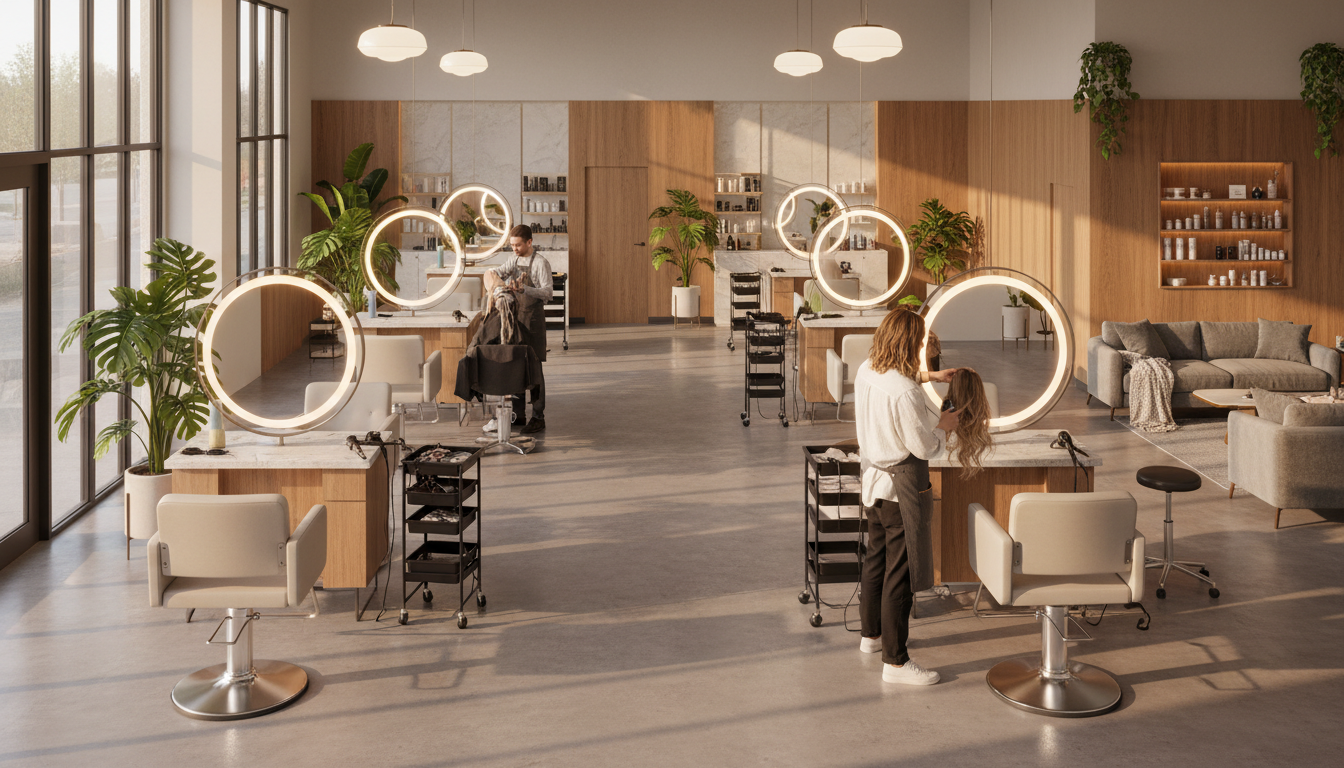
Being flexible with timing can help accommodate the individual's needs and promote a more relaxed visit.
Feedback and Adjustment
After the haircut, gather feedback from the individual or caregiver. Understanding what worked and what didn't can help refine the approach for future visits. Continuous adaptation and empathy are key to improving the sensory-friendly haircut experience.
By taking these steps, creating a calm and sensory-friendly environment for haircuts becomes an achievable goal, ensuring a more positive experience for everyone involved.