A Parent's Guide to Autism-Friendly Hairstyles


Creating autism-friendly hairstyles is an essential consideration for parents who want to ensure their child feels comfortable and confident. Children with autism may have unique sensory needs, and a trip to the salon can be overwhelming. By understanding these needs, parents can help make haircuts a positive experience.
Understanding Sensory Sensitivities
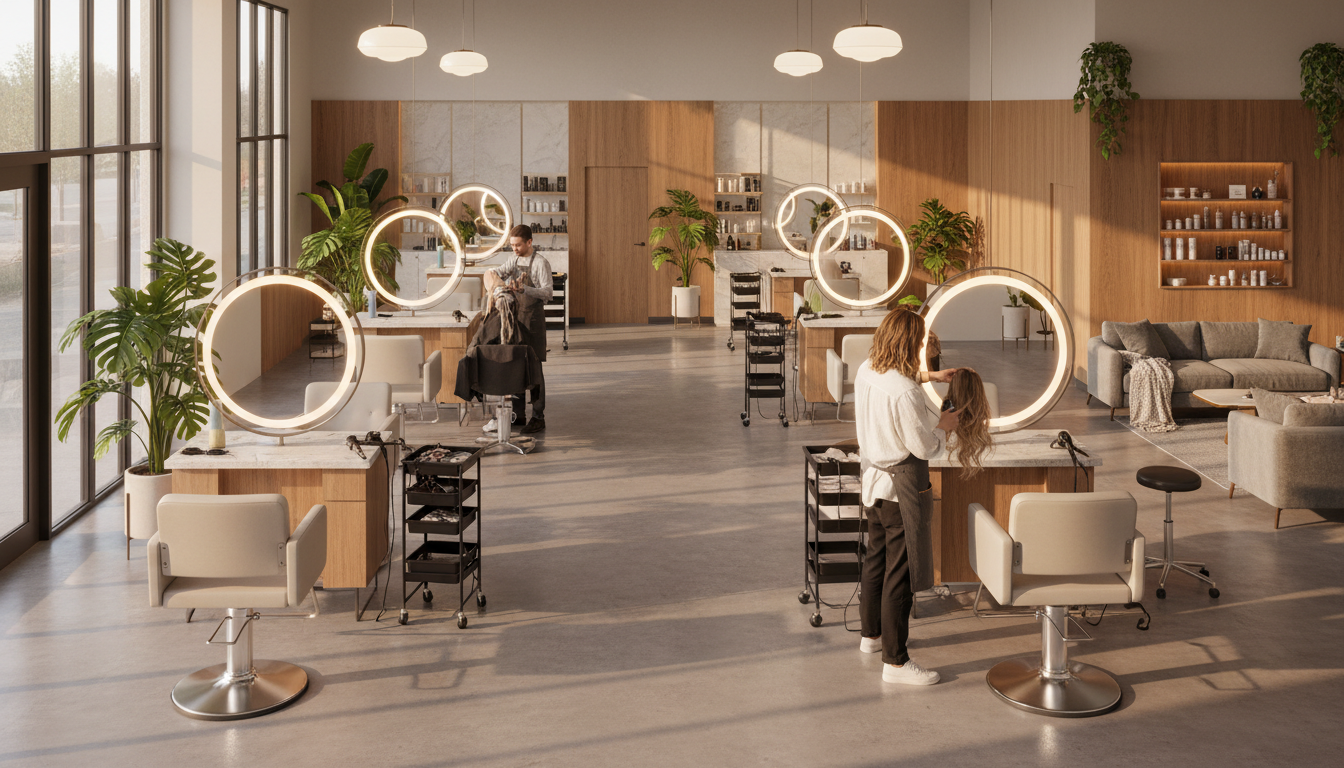
Many children with autism experience heightened sensory sensitivities. This means that certain sounds, textures, or sensations can be uncomfortable or even distressing. When it comes to haircuts, the sound of clippers or the feeling of hair falling on their skin might be overwhelming.
Parents can help by finding a stylist who understands these sensitivities and is willing to take extra time to ensure the child is comfortable. Additionally, creating a calm and quiet environment can significantly ease the process.
Choosing the Right Hairstyle
When selecting a hairstyle, consider options that require minimal maintenance. This can reduce the need for frequent trips to the salon and lessen daily grooming tasks. Shorter styles are often preferred as they are easier to manage and can help prevent tangles, which might be bothersome.
Discussing with your child and involving them in the decision-making process can also be beneficial. This empowers them and helps ensure they like their hairstyle, contributing to their overall comfort and confidence.
Preparing for the Haircut
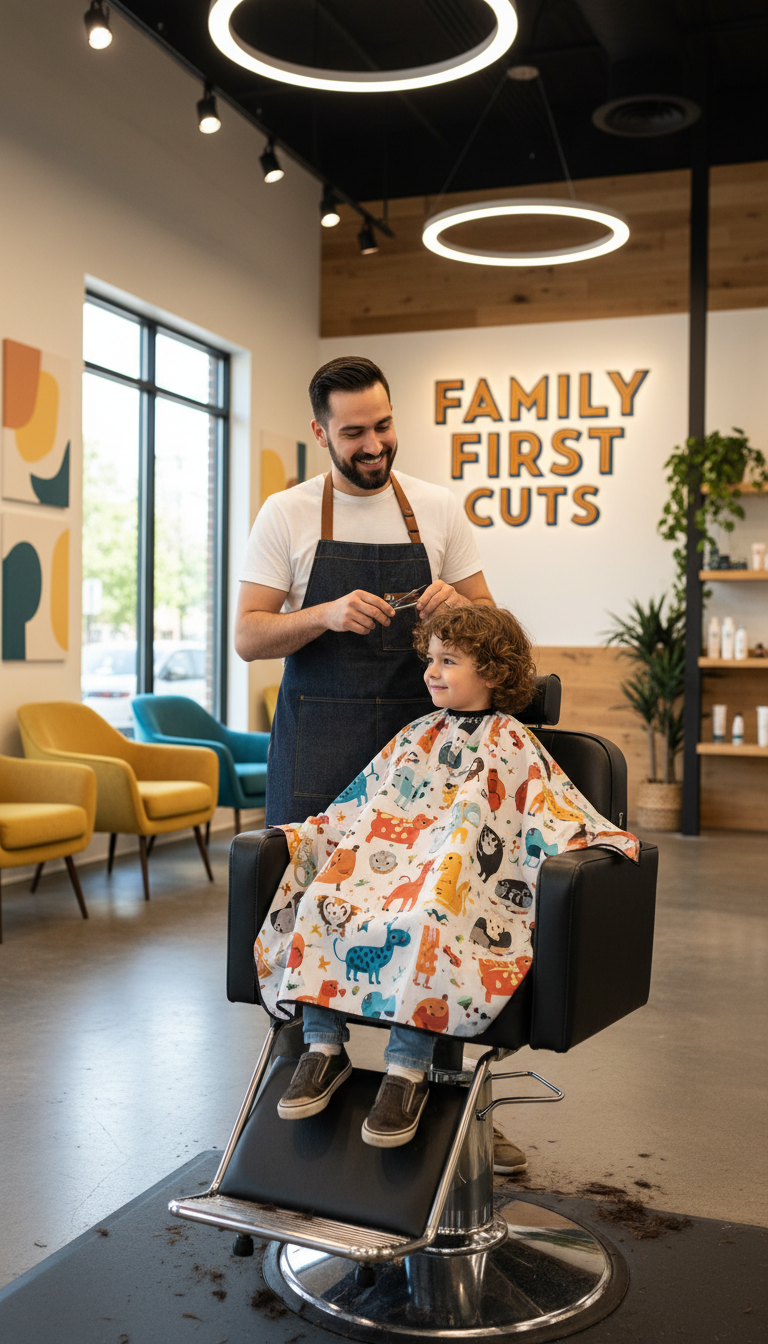
Preparation is key to a successful haircut experience. Talk to your child about what to expect, and consider using social stories or visual aids to help them understand the process. Practicing at home with pretend play can also be helpful.
On the day of the appointment, bring comfort items such as a favorite toy or weighted blanket. These can provide a sense of security and help reduce anxiety.

Communicating with the Stylist
Clear communication with the stylist is crucial. Explain your child's needs and preferences beforehand, and discuss any specific strategies that might help. Some parents find it helpful to stay with their child during the haircut to provide reassurance.
Choosing a stylist experienced in working with children with autism can make a significant difference. They often know techniques to put children at ease, such as using scissors instead of clippers or offering breaks if needed.
Aftercare and Maintenance
After the haircut, use gentle detangling products and soft brushes to make daily grooming more comfortable. Consistency in using the same products can also help, as new scents or textures might be unsettling.
Establishing a routine can provide predictability, which many children with autism find comforting. Regularly scheduled trims can help maintain the hairstyle and prevent any discomfort from overgrown hair.

By focusing on these aspects, parents can create a supportive and positive experience for their child, ensuring that haircuts are no longer a source of stress but a chance for self-expression and pride.